
1. Importance
Anti-corruption is a critical component of the Group’s commitment to ethical conduct, transparent business practices, and long-term value creation. Operating in a highly regulated environment, the Group recognises that effective prevention of bribery and corruption is essential to maintaining stakeholder trust, safeguarding the integrity of decision-making, and ensuring compliance with applicable laws and standards. Strong anti-corruption governance helps mitigate legal, financial, and reputational risks, reinforces accountability across operations and business partners, and supports the Group’s ability to operate responsibly and sustainably over the long term.
2. Targets and Performance
To demonstrate its commitment to Anti-Corruption, ACE has established clear goals and systematically monitors performance against these material topics, as outlined below:
| Goal | 2025 Performance |
|---|---|
| No directors or executives are subject to complaints or whistleblowing reports related to corruption or misconduct. | No directors or executives were subject to complaints or whistleblowing reports related to corruption or misconduct. |
3. Management Approach
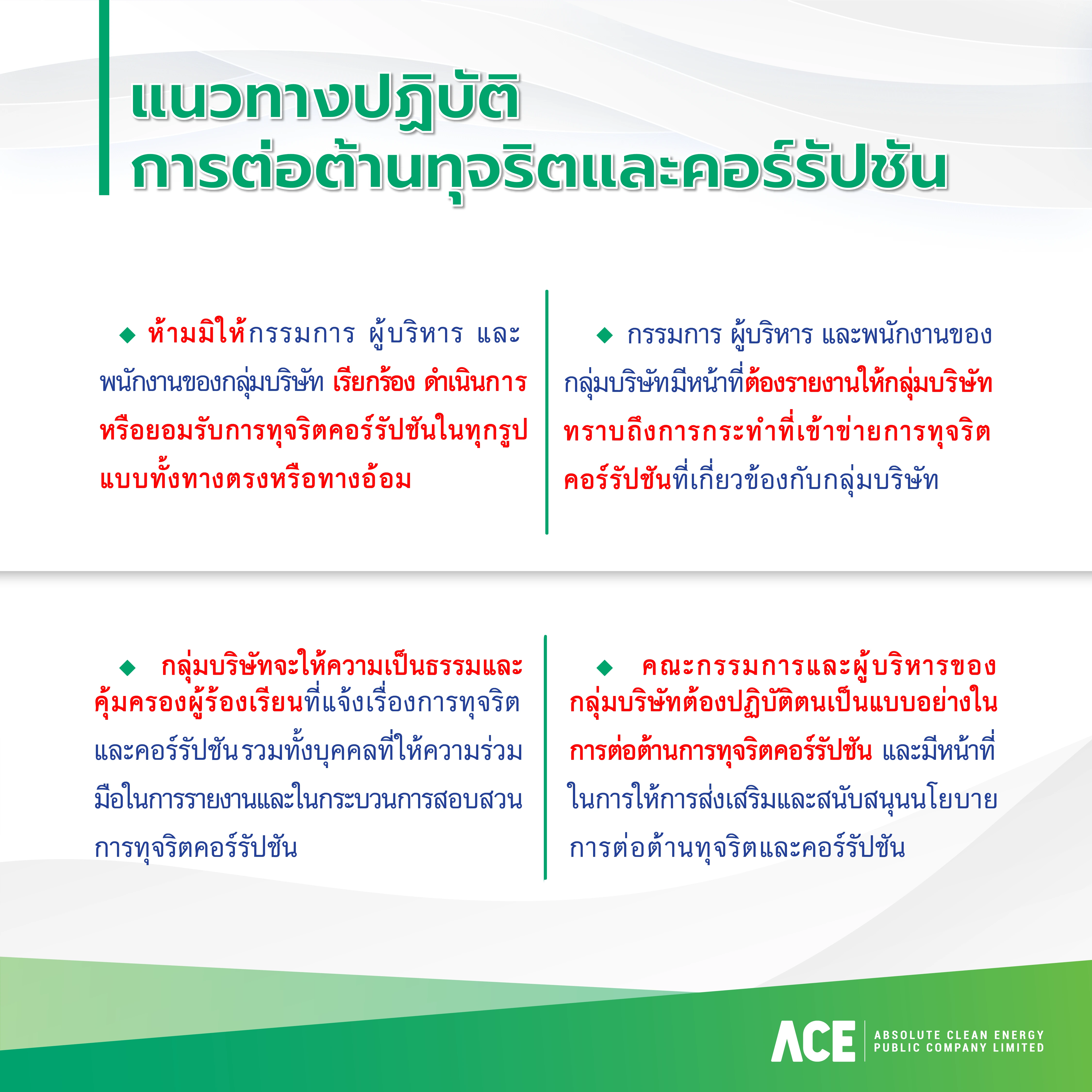
The Group conducts its business with transparency and integrity, adheres to the principles of good corporate governance, and complies with applicable laws on the prevention and suppression of corruption. To this end, the Group has established an anti-corruption policy applicable to all business activities. The policy strictly prohibits personnel at all levels from requesting, engaging in, or accepting any form of corruption, whether directly or indirectly, for personal benefit or for the benefit of family members, friends, or associates, as set out in the Group’s Code of Conduct.
3.1 Anti-Fraud and Anti-Corruption Policy
The Group is committed to conducting its business with integrity, transparency, and accountability, and adopts a zero-tolerance approach to bribery and all forms of corruption. Under the Anti-Corruption Policy, corruption includes bribery, facilitation payments, improper gifts or hospitality, conflicts of interest, abuse of authority, and corrupt acts conducted through intermediaries or business partners for personal or related-party benefit. This commitment is embedded within the Group’s corporate governance framework and supports compliance with applicable laws and regulations on the prevention and suppression of corruption.
The anti-corruption policy applies to all directors, executives, and employees, as well as contractors, agents, and other business partners acting on behalf of the Group. It strictly prohibits the offering, giving, soliciting, or accepting of any improper benefits, whether directly or indirectly. Oversight of anti-corruption is provided by the Board of Directors, with management responsible for implementation and integration of corruption risk management into day-to-day operations. Corruption risks are assessed on a risk-based basis, with enhanced controls applied to higher-risk activities and business relationships.
The policy is communicated through internal channels and training programmes and extended to business partners through clear expectations and contractual requirements. Confidential whistleblowing channels are in place to enable reporting of suspected misconduct, with appropriate investigation and disciplinary or corrective action taken where violations are identified. Through these measures, the Group aims to prevent corruption, promote ethical conduct across its value chain, and reinforce stakeholder trust in support of sustainable business operations.
For further information, please refer to the Anti-Fraud and Anti-Corruption Policy.
3.2 Anti-Corruption Governance Structure and Management
| Level | Roles and Responsibilities |
|---|---|
| Board of Directors | The Board of Directors establishes, reviews, and approves the Group’s anti-fraud and anti-corruption policy and practices, oversees the effectiveness of related measures across the organisation, ensures adequate systems are in place to prevent fraud and corruption, approves reporting and incident-handling processes, and demonstrates leadership and commitment as a role model for ethical conduct. |
| Audit Committee and/or Corporate Governance Committee | The Audit Committee and/or Corporate Governance Committee reviews and provides opinions on the anti-fraud and anti-corruption policy, oversees internal control processes to ensure their adequacy and effectiveness, and audits and investigates potential fraud or corruption-related matters. |
| Senior Management | Senior management leads by example in promoting anti-fraud and anti-corruption practices, ensures effective systems and controls are implemented, and communicates and supports the policy throughout the organisation to foster a culture of integrity. |
| Internal Audit Department | The Internal Audit Department audits and reviews operations to ensure compliance with policies, guidelines, and regulations, evaluates internal controls related to fraud and corruption risks, provides advice on risk assessment practices, and reports identified issues to the Audit Committee and Corporate Governance Committee. |
| Human Resources Department | The Human Resources Department organises training and communication on anti-fraud and anti-corruption policy and practices to all employees, provides and promotes whistleblowing and reporting channels with appropriate protection measures, supports a culture of integrity, and conducts background verification of job applicants in accordance with the policy. |
| Employees | Employees are required to comply strictly with the anti-fraud and anti-corruption policy, participate in related training, avoid activities that may lead to policy violations, report suspected fraud or corruption through designated channels, communicate policy requirements to relevant stakeholders, and cooperate fully with investigations. |
3.3 Corruption Risk Assessment Process
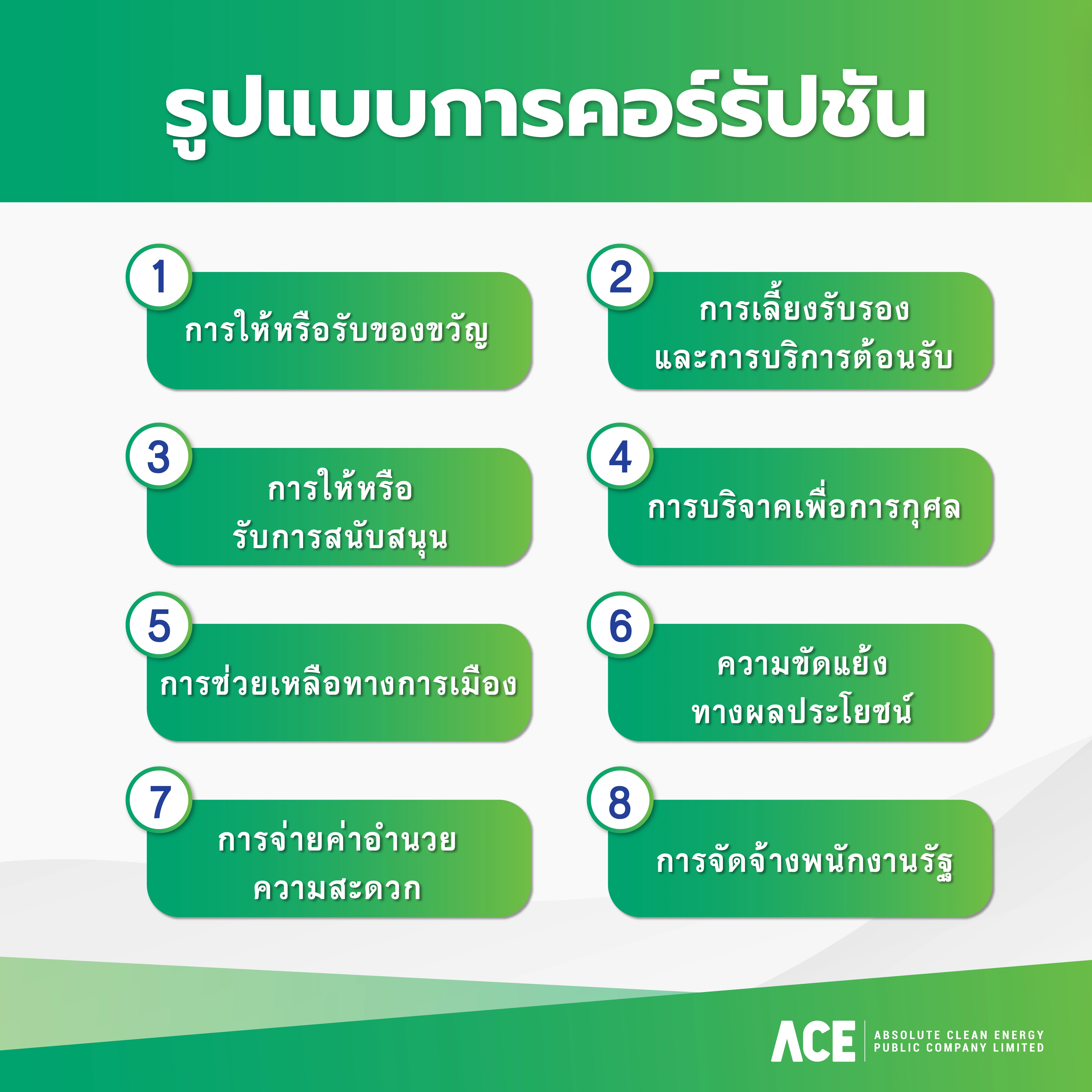
The Group conducts regular corruption risk assessments to identify potential risks in business processes and establish appropriate measures to mitigate those risks, with periodic reviews of these risk assessments as necessary. Corruption refers to the misuse of authority, position, or assets for improper benefit, including bribery in any form through offering, giving, soliciting, or receiving money, gifts, or other advantages for personal or related-party gain. It may involve improper gifts or hospitality, sponsorships, charitable donations, political contributions, conflicts of interest, facilitation payments, or the employment of government officials to influence decisions, gain unfair business advantage, or induce improper performance of duties.
The purpose of these assessments is to identify corruption-related risks arising from business activities, systematically analyse such risks, and develop appropriate preventive measures. This process strengthens internal safeguards, helps prevent potential financial, legal, and reputational impacts, and supports transparent, accountable, and auditable business operations.
Corruption risk assessments are conducted in alignment with the Thai Private Sector Collective Action Against Corruption (CAC) framework. Relevant organisational units are required to identify corruption risk events that have occurred or may potentially occur within their respective activities and processes, particularly those involving interactions with government agencies and private sector counterparties. Each identified risk is assigned to a designated risk owner within the organisation.
As part of the assessment, identified risks are classified by type of corruption risk, including situations where corruption may be used to facilitate or expedite administrative or regulatory processes, conceal non-compliance with laws or regulations, or obtain business opportunities or advantages through improper means.
Corruption Risk Assessment Process
Step 1: Identification of Corruption including Bribery Risk Events
Each organisational unit identifies corruption risk events that have occurred or may potentially occur in business activities involving transactions with government agencies or private sector counterparties. Risks are identified by activity or process, with assigned risk owners, and classified by purpose of corruption, such as facilitating administrative processes, concealing non-compliance, or obtaining business opportunities through improper means. Each risk is documented with details on the parties involved, intended outcomes, corrupt actions, and any relevant external organisations, with the assessment focusing solely on corruption-related risks.
Step 2: Assessment of Likelihood and Impact
Corruption risks are evaluated based on two key dimensions: likelihood and impact, to support prioritisation and effective risk management.
Likelihood reflects the probability and frequency of a corruption risk event occurring, ranging from highly unlikely to high likelihood. Impact assesses the potential consequences of corruption, including financial losses, reputational damage, impacts on customers and shareholders, and legal or regulatory consequences, which may be monetary or non-monetary.
Risk levels are determined by combining likelihood and impact ratings to classify risks from low to very high. This classification defines risk acceptability and guides the priority and intensity of risk management actions. Very high and high risks are considered unacceptable and require prompt mitigation, while medium and low risks are managed through monitoring and existing control measures.
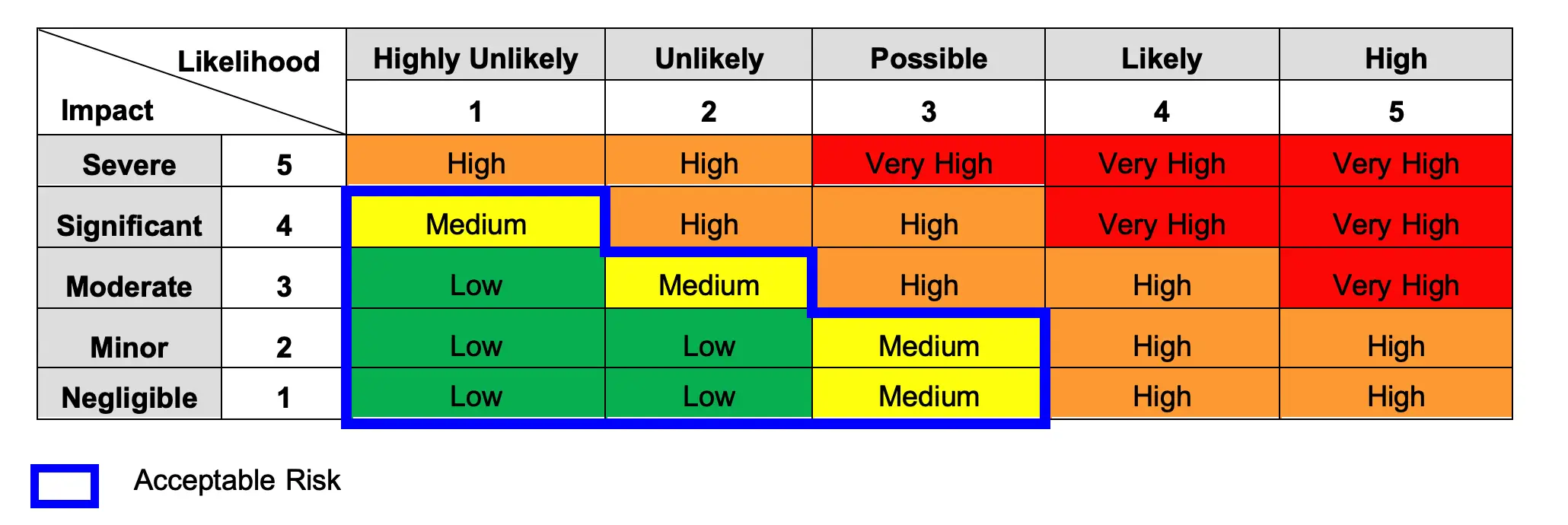
Risk Level and Description
| Very High Risk | Unacceptable and requires immediate priority action to reduce the risk to an acceptable level, potentially requiring additional resources. |
| High Risk | Unacceptable and requires appropriate risk mitigation measures to reduce the risk. |
| Medium Risk | Acceptable with ongoing monitoring and controls to prevent escalation. |
| Low Risk | Acceptable under existing controls, with no additional mitigation required unless conditions change. |
Step 3: Assessment of Corruption Risks Before and After Controls
The Group assesses corruption risks by evaluating both the likelihood of occurrence and the impact on the organisation to determine the level of risk prior to the application of control measures. Existing control measures in place are identified and documented to understand how corruption risks are currently managed.
The Group then reassesses corruption risks after the application of existing controls to evaluate the adequacy and effectiveness of those measures. Where residual risks remain above acceptable levels, additional or improved control measures are developed to prevent or reduce corruption risks to levels acceptable to the organisation.
Step 4: Monitoring, Review, and Reporting
Following the implementation of control measures, designated risk owners are responsible for monitoring the effectiveness of those measures on an ongoing basis. Corruption risk assessments are reviewed at least annually, or when there are significant changes in business activities, regulations, or operating environment that may introduce new or heightened risks.
Assessment results, residual risk levels, and the status of mitigation measures are reported to the relevant oversight functions, including the Audit Committee and Corporate Governance Committee, to ensure accountability and support informed decision-making at the governance level.
3.4 Due Diligence of New Business Partners Addresses Corruption
The Group conducts due diligence on new business partners in accordance with its procurement and anti-corruption policies. The process assesses key corruption risk areas, including bribery through gifts, benefits, and hospitality; sponsorships; charitable donations; political contributions; conflicts of interest; facilitation payments; and risks associated with the employment of government officials (revolving door), where improper influence or unethical conduct may arise.
These risks are evaluated through a structured business partner assessment, which reviews whether partners have established anti-corruption practices, communicated such practices to their employees, and implemented mechanisms to monitor and address corruption risks. Where potential risks are identified, enhanced assessments and controls are applied to ensure that business relationships are conducted transparently, ethically, and in line with the Group’s anti-corruption standards.
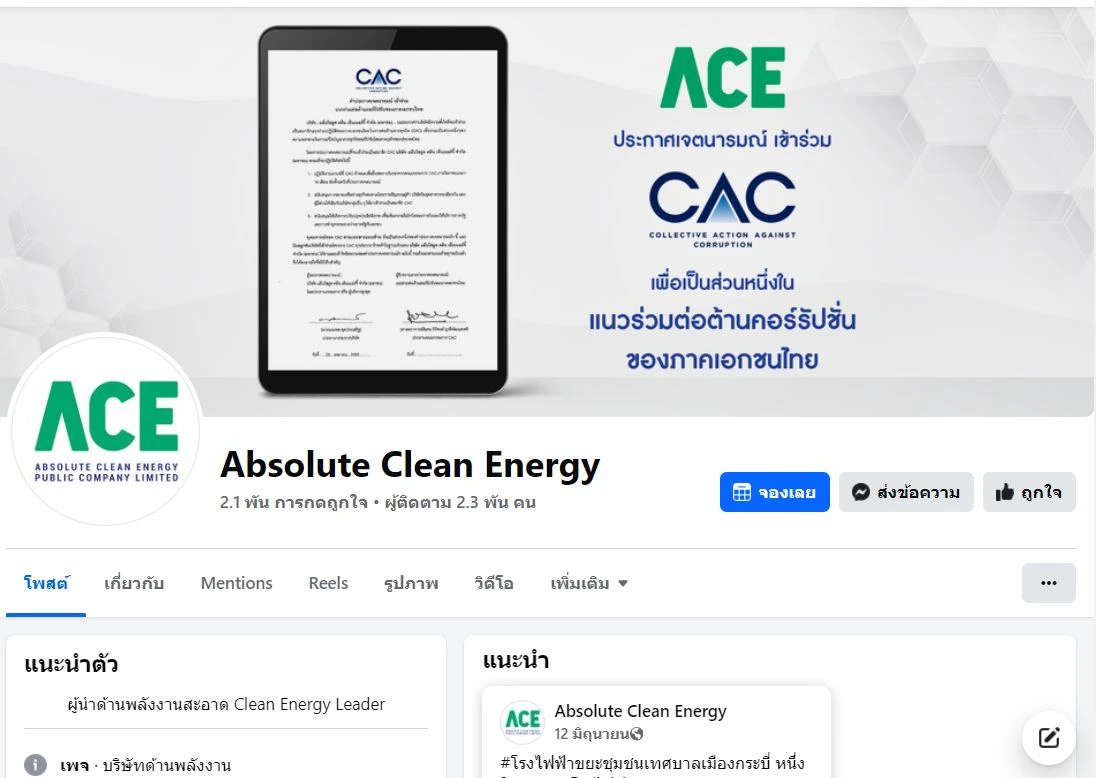
The Group communicates its anti-fraud and anti-corruption policies and reporting channels to business partners, contractors, and relevant stakeholders at the outset of, or during, business relationships. Communication is delivered through appropriate channels, including the Group’s website, contractual documents, and the official social media platforms of the Group and its subsidiaries, such as Facebook, to enhance awareness and understanding.
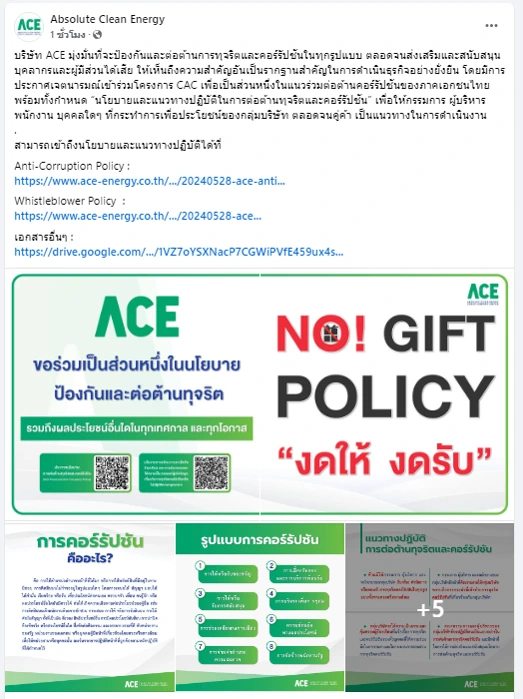
Business partners, including contractors and suppliers, are expected to understand and comply with these policies and to cooperate with the Group’s efforts to prevent corruption in the business.
3.5 Anti-Corruption Whistleblowing Channel
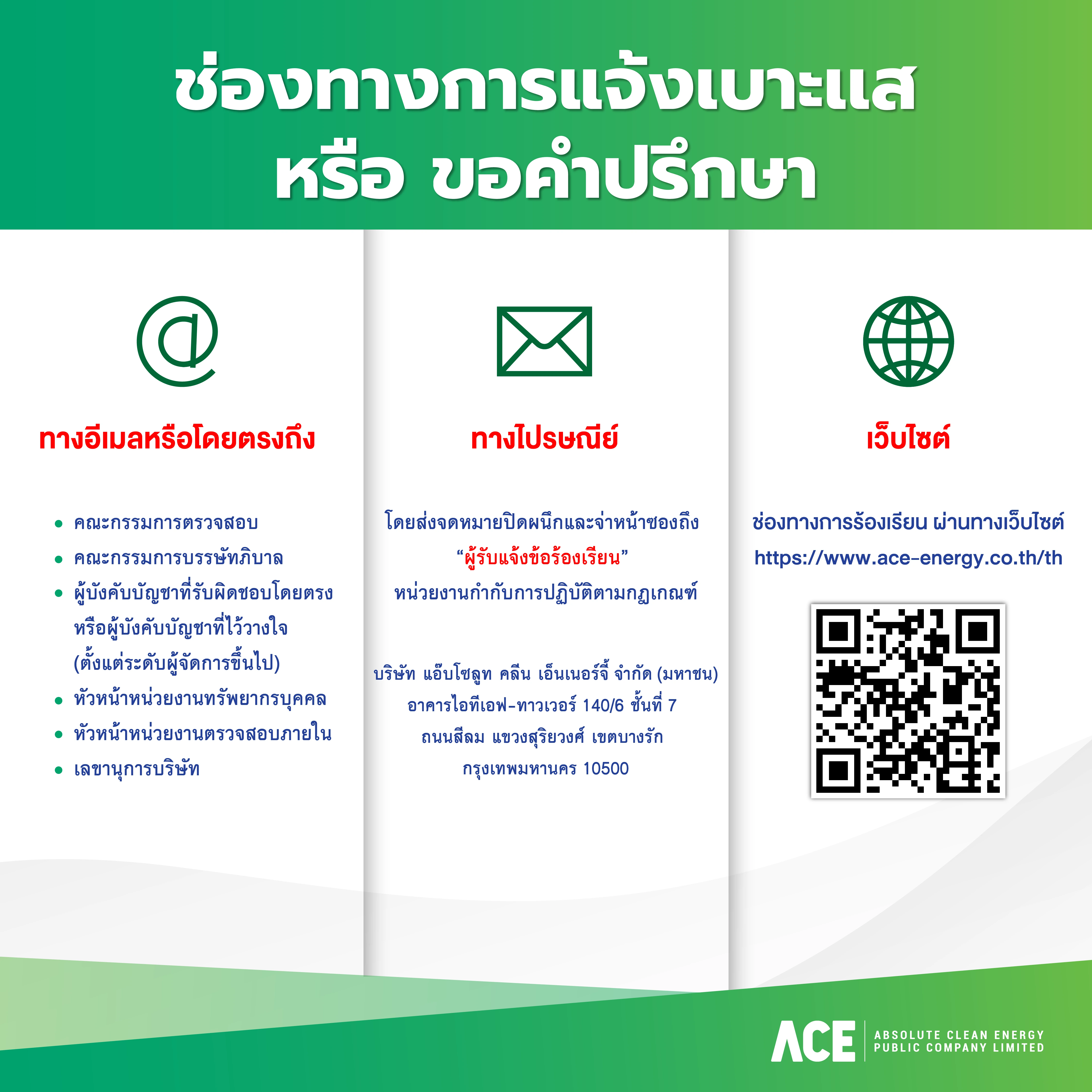
The Group has established formal whistleblowing and complaint mechanisms to enable internal and external stakeholders to report concerns related to fraud, corruption, bribery, or other misconduct, as well as to report instances where individuals refuse to engage in corrupt activities. The Group provides fair and appropriate protection measures to ensure reporters are not subject to retaliation, penalties, or negative consequences.
Scope: This channel applies to all directors, executives, and employees of the Group, as well as external parties acting on behalf of the Group. It covers suspected or actual fraud, corruption, bribery, facilitation payments, conflicts of interest, abuse of authority, or other misconduct undertaken for personal or third-party benefit, including retaliation against individuals who refuse to engage in corrupt practices.
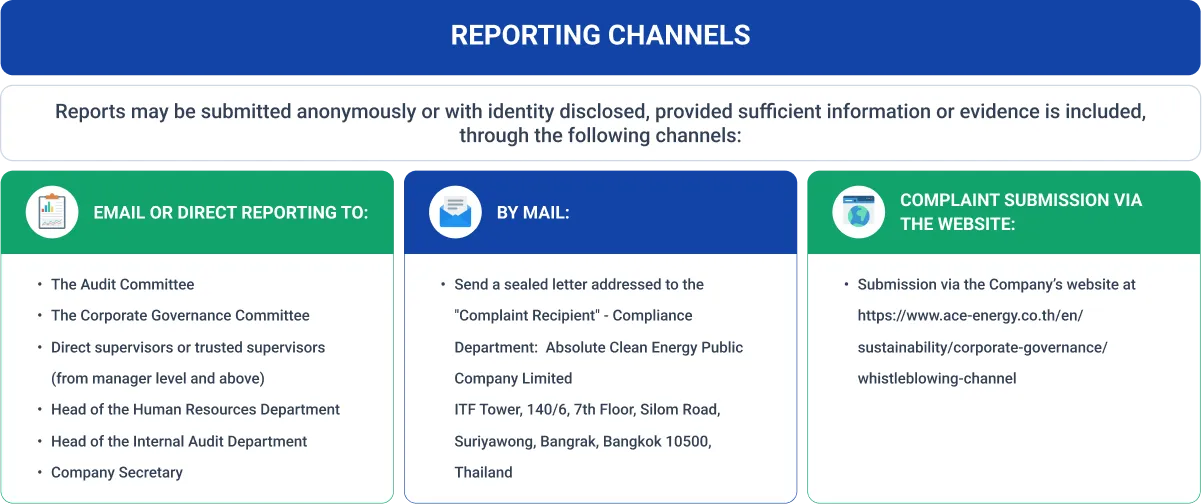
Eligible Reporters: Reports may be submitted by both internal and external parties, including directors, executives, employees, contractors, suppliers, agents, business partners, and other stakeholders, as well as individuals who experience, observe, or become aware of corruption-related misconduct. Reports may be made with the reporter’s identity disclosed or anonymously.
Investigation Process: Upon receipt of a report, the matter is forwarded to a designated investigator for fact-finding and assessment. For reports involving employees below executive level or external parties, the investigation is led by the Chief Executive Officer or assigned personnel. For reports involving executives or above, the matter is referred to the Audit Committee. Where an investigation confirms a violation, findings are escalated to the relevant oversight committee, and in serious cases affecting the Group’s reputation, financial position, or senior leadership, the matter is presented to the Board of Directors. Reporters who provide contact details will be notified of the investigation outcome, subject to confidentiality and personal data protection requirements.
Whistleblower Protection: The Group is committed to protecting all individuals who report concerns in good faith. The identity of reporters and any information that may identify them is kept strictly confidential and disclosed only to personnel responsible for the investigation or as required by law. Disciplinary measures apply to any personnel who leak or disclose reporter information at any stage of the process. The Group strictly prohibits retaliation, demotion, penalties, or any adverse consequences against reporters or individuals who refuse to engage in corrupt activities, even where such refusal results in lost business opportunities. Individuals who suffer harm as a result of reporting are entitled to appropriate and fair remedies from the Group.
3.6 Employee Anti-Corruption Awareness
Communication of Anti-Corruption Policy to Employees
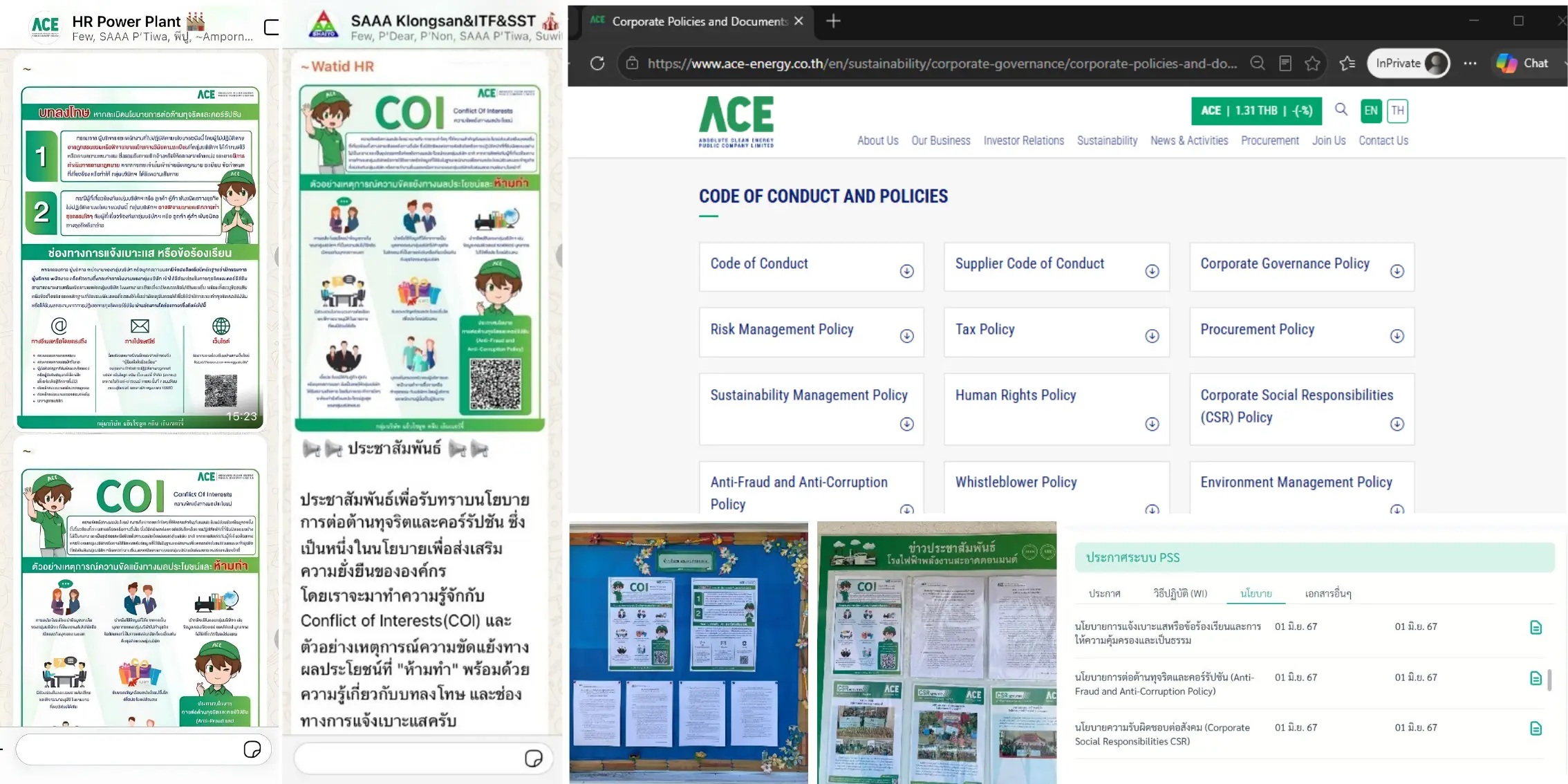
The Group communicates its anti-corruption policy to all employees through formal internal channels to ensure consistent understanding and compliance across the organisation. The policy is made readily accessible via internal systems and the Group’s website, and employees are required to acknowledge their understanding of the policy as part of their onboarding and continued access to internal systems.
The communication covers key elements and types of corruption, including bribery, facilitation payments, improper gifts and hospitality, conflicts of interest, abuse of authority, and corruption involving intermediaries or business partners. It also communicates the Group’s comprehensive anti-corruption principles, including prohibited conduct, employee responsibilities, reporting and whistleblowing channels, protection measures, and disciplinary actions for non-compliance. Policy updates and key reminders are communicated regularly to maintain awareness and reinforce ethical behaviour.
Training on Anti-Corruption Policy for Employees
The Group provides structured training on anti-fraud and anti-corruption policies to directors, executives, and employees, with particular focus on personnel involved in higher-risk activities. Training is delivered during new employee orientation or prior to assuming job responsibilities and is supplemented by periodic refresher sessions.
Training content covers elements and types of corruption, including bribery and related improper practices, as well as the Group’s comprehensive anti-corruption framework, such as ethical decision-making, internal controls, reporting mechanisms, whistleblower protection, and consequences of policy breaches. The effectiveness of training is monitored through assessments and follow-up evaluations to ensure understanding and practical application.
Approach to Training
New Personnel Orientation : Policy training and relevant information are included as part of the onboarding program for all new hires at all levels, with a test conducted to assess their understanding.
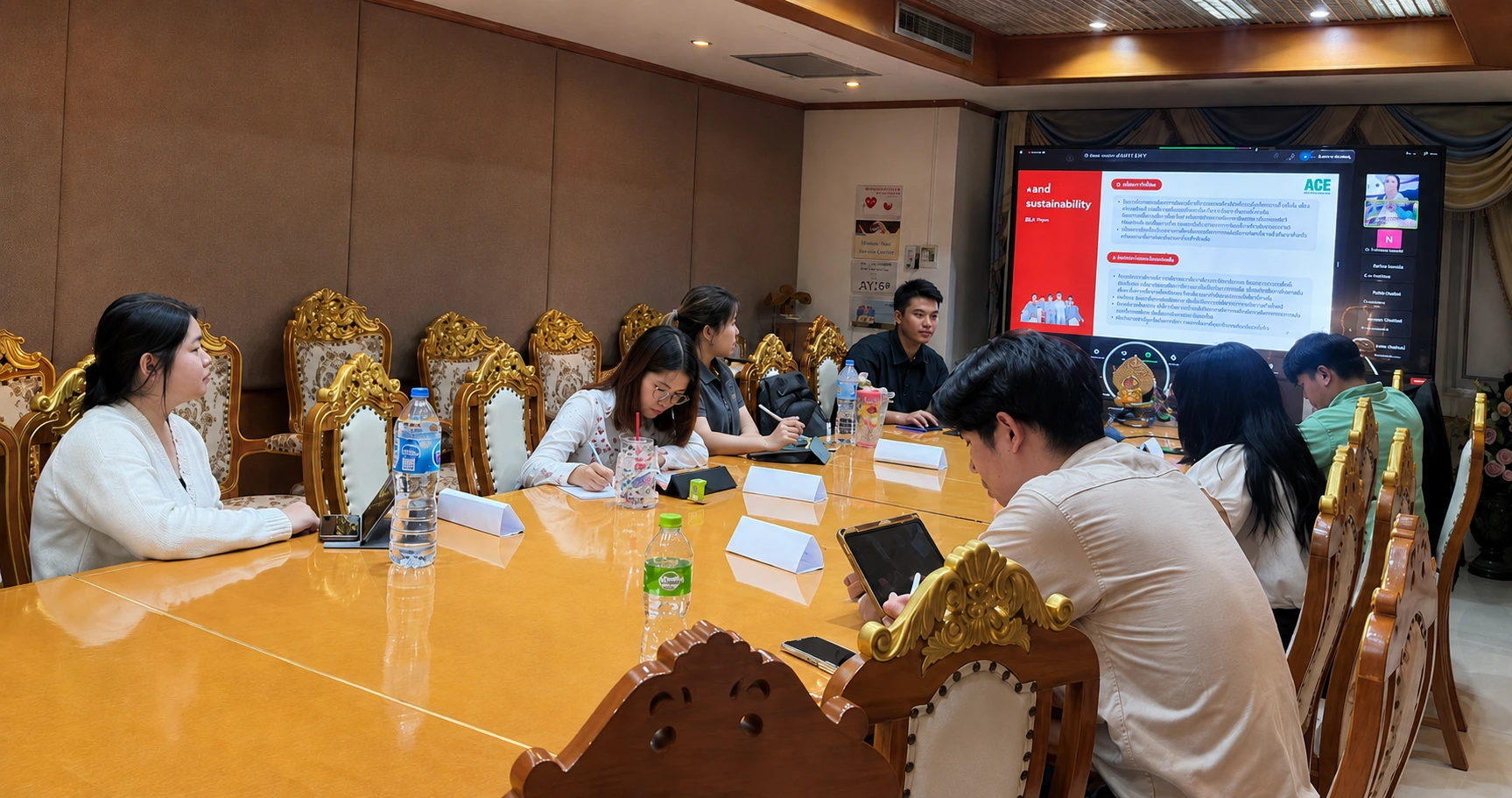
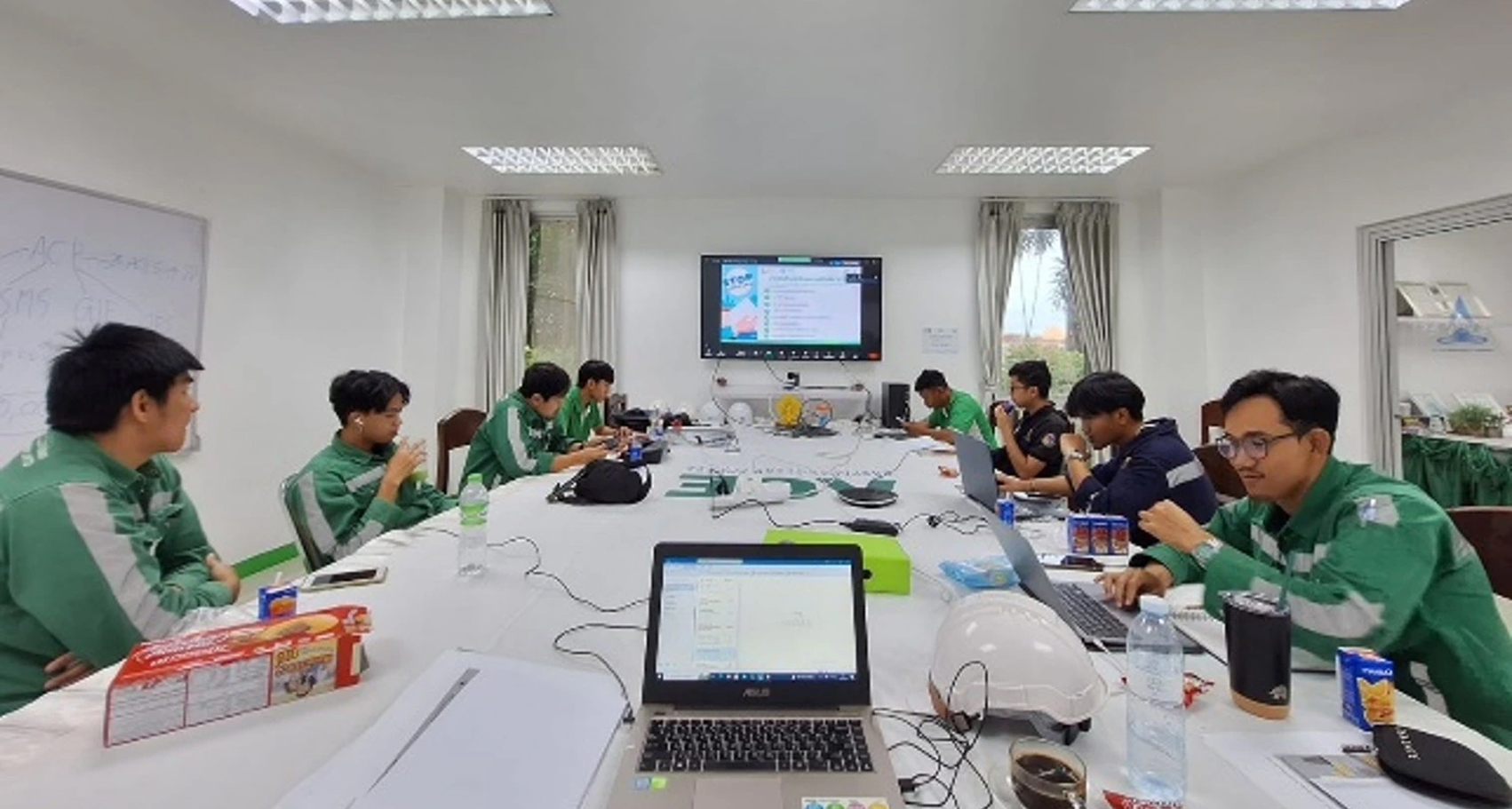
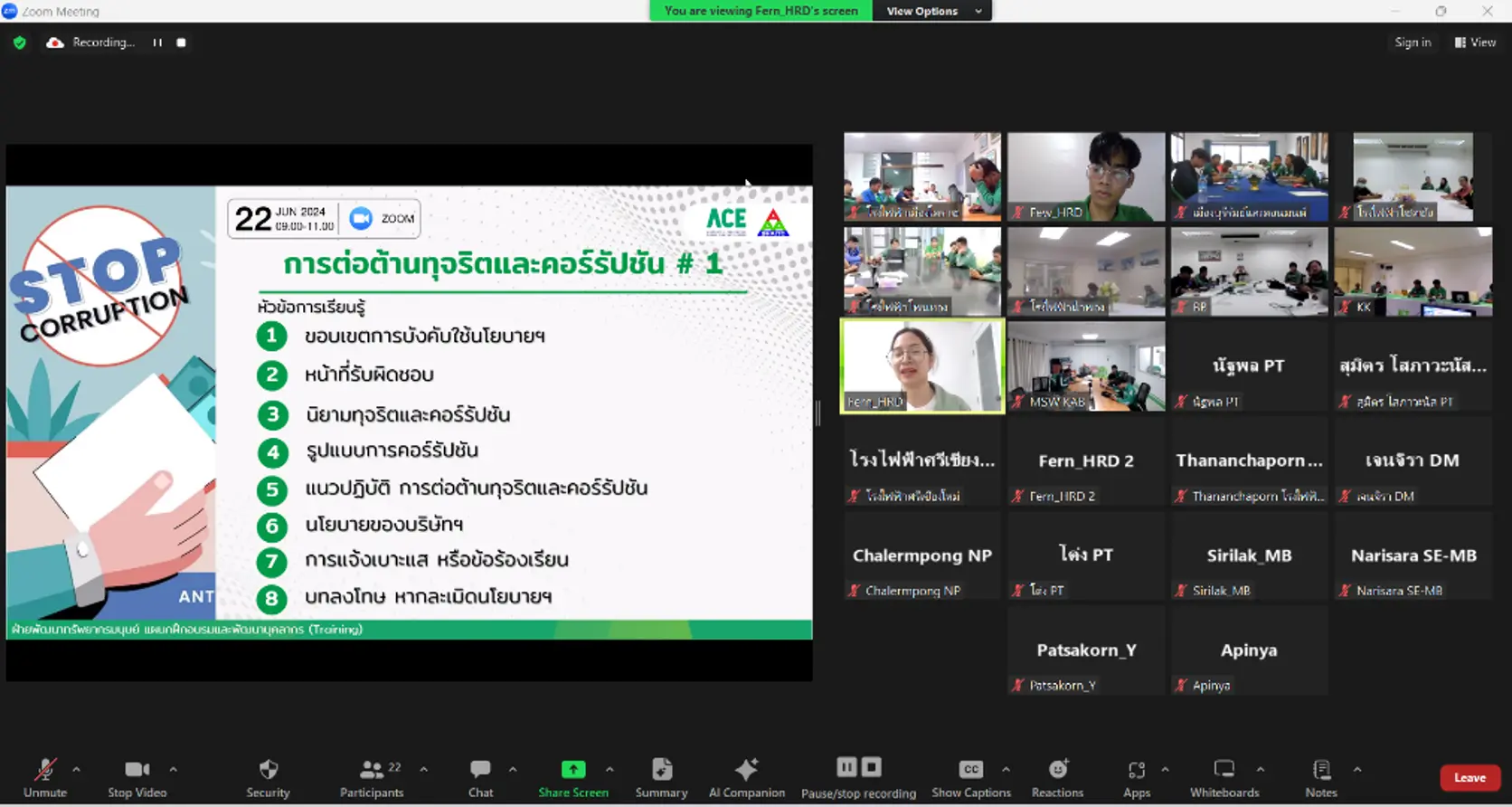
Ongoing Training and Seminars
- Provide continuous training for current executives and employees through online systems or e-learning platforms.
- Implement intensive training programs for departments facing higher risks.
- Assess understanding to enhance knowledge and raise awareness.
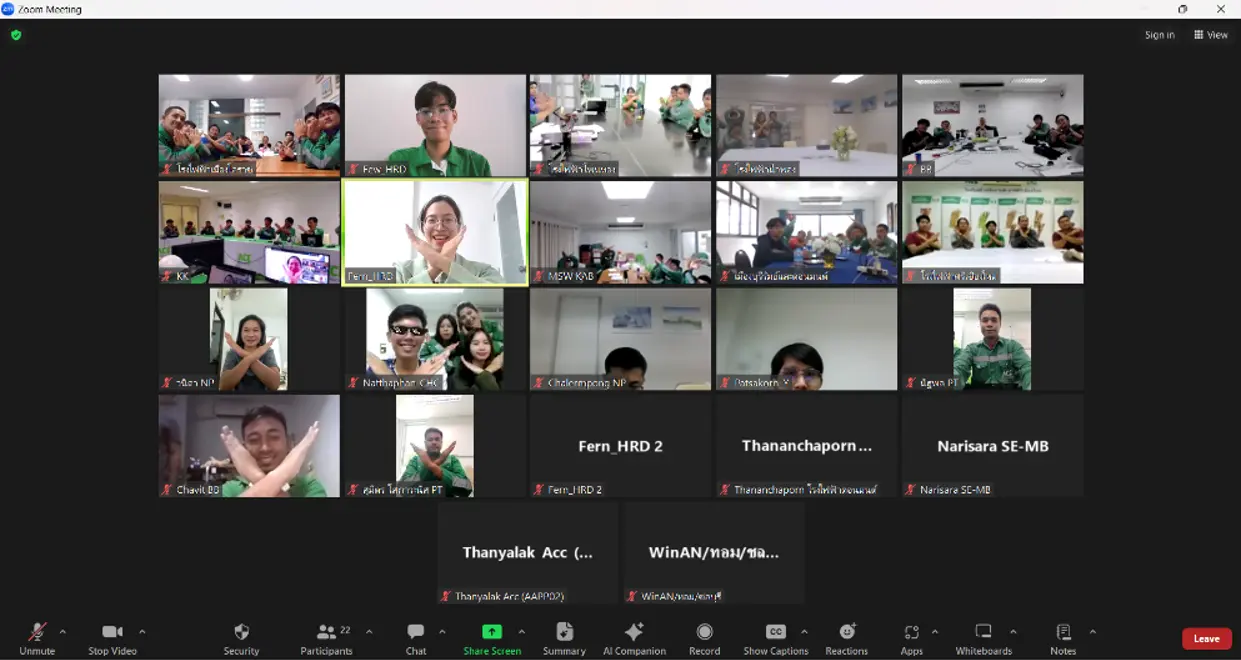
4. Projects
Certification of Membership in the Thai Private Sector Collective Action Against Corruption (CAC)
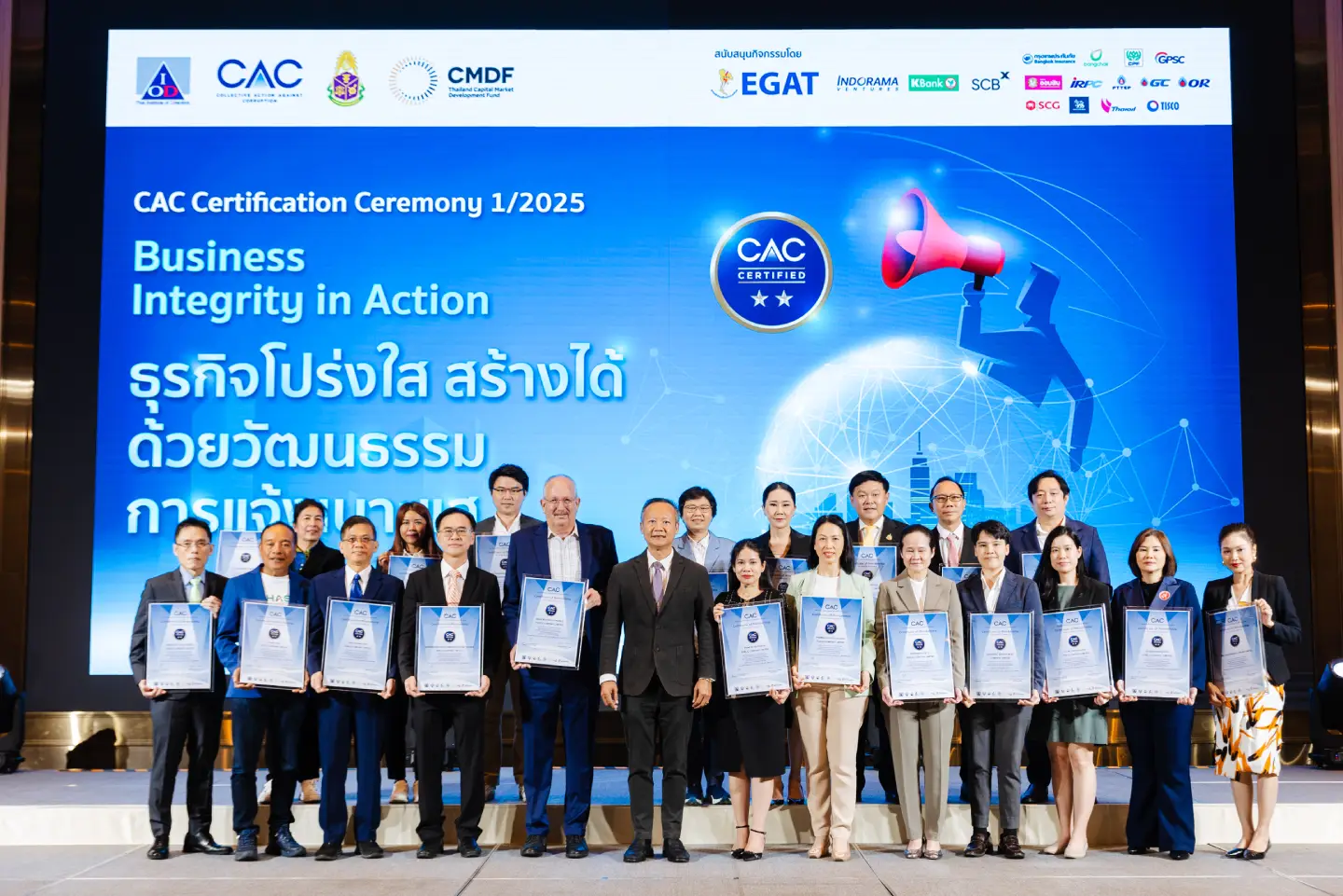
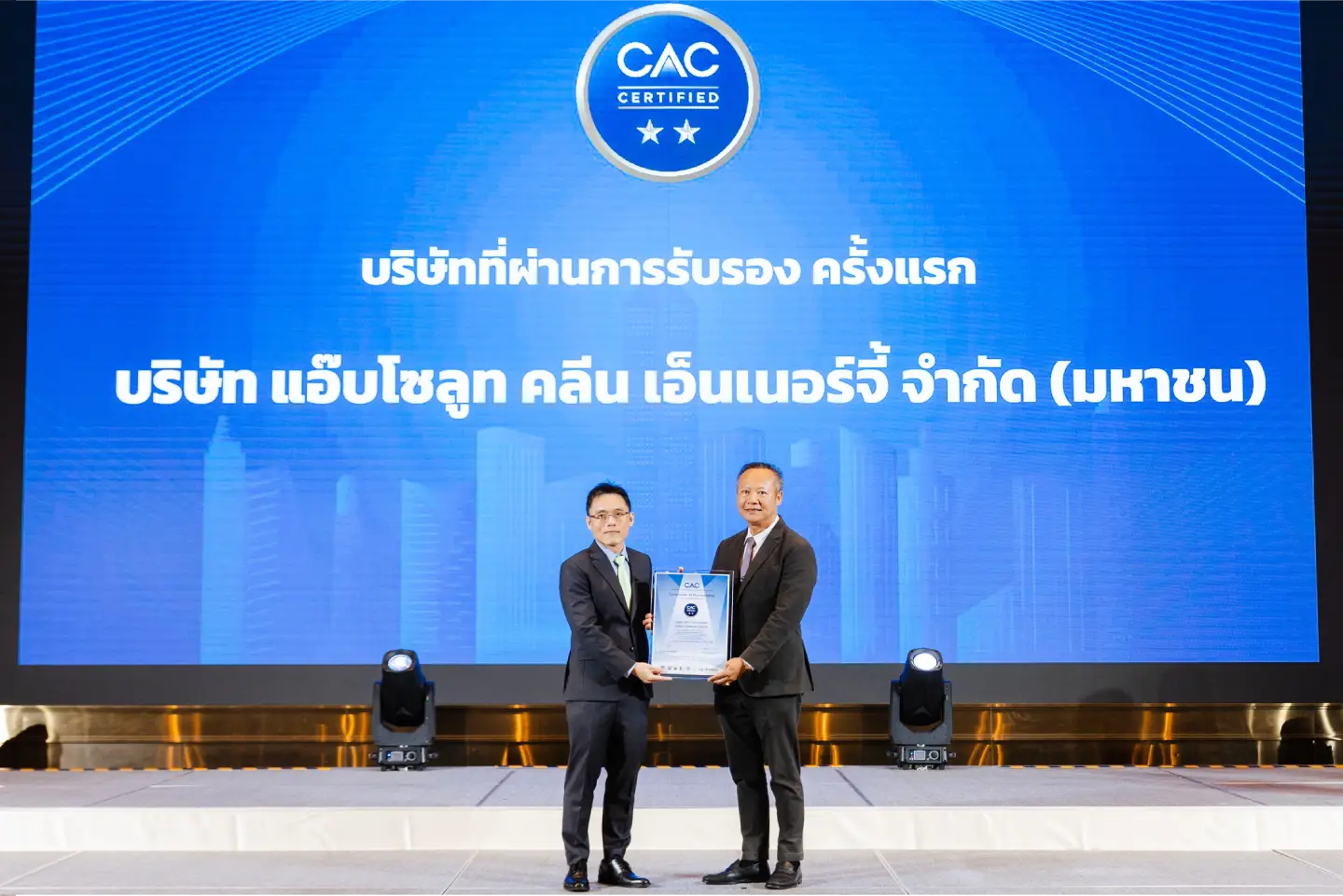
In March 2025, ACE received a certificate of membership in the Thai Private Sector Collective Action Against Corruption (CAC), recognizing its commitment to ethical business and anti-corruption practices. This certification reflects the Company’s dedication to integrity, transparency, and accountability at all levels, underscoring its long-term resolve to operate sustainably and with good governance.
“Riakrub Raorong” Project
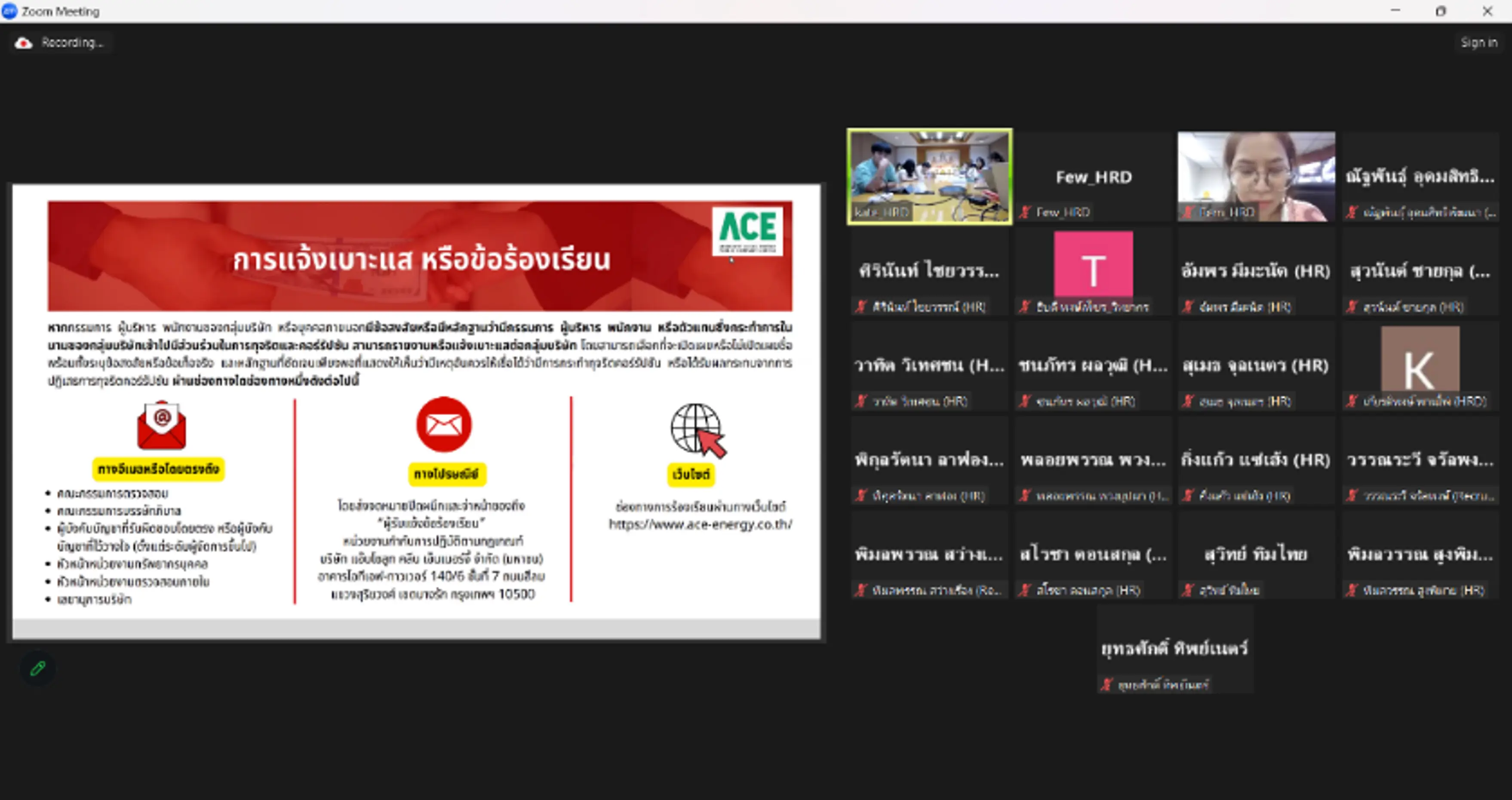
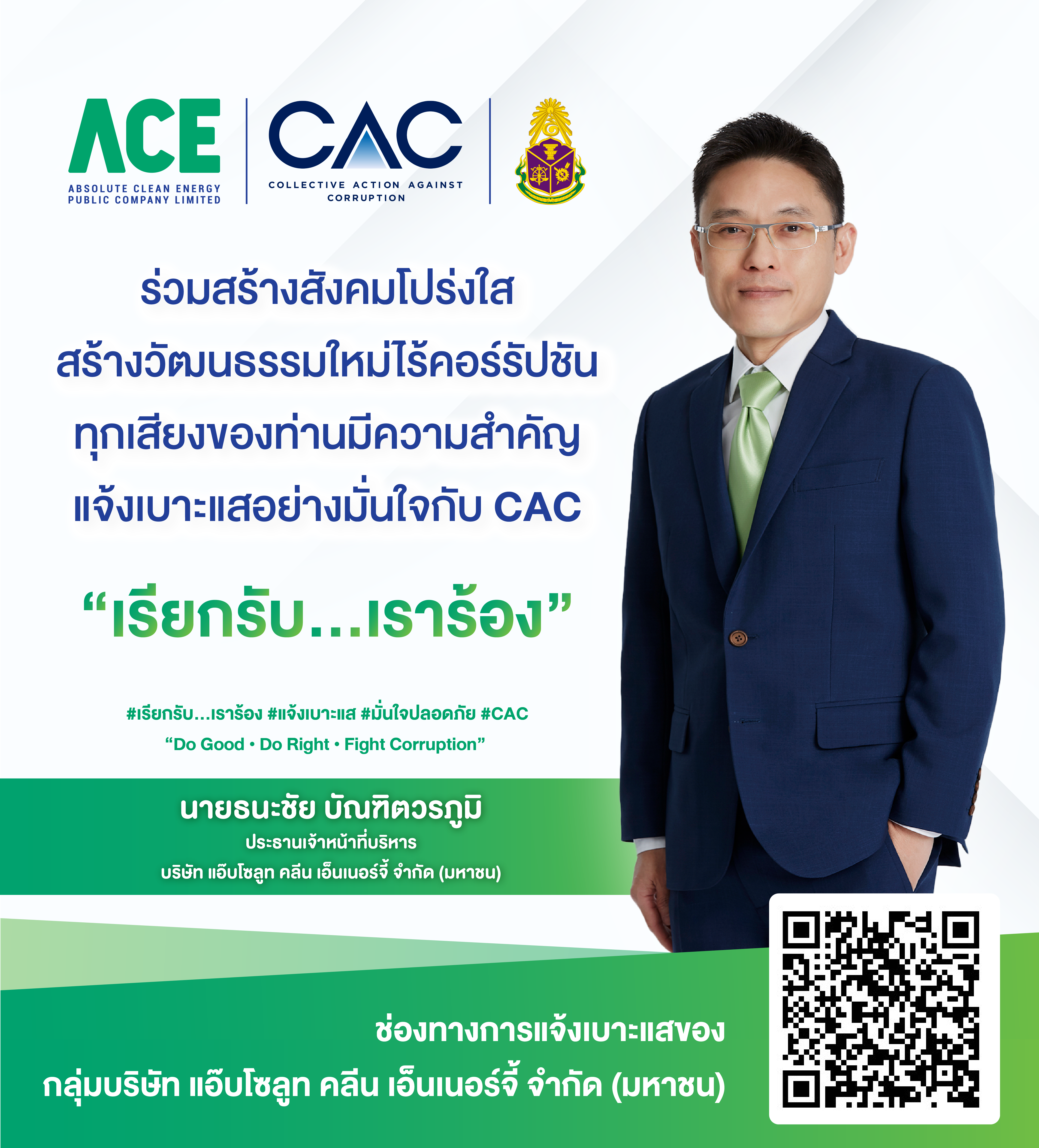
In 2025, ACE participated in the “Riakrub Raorong” project, a collaboration between the Thai Private Sector Collective Action Coalition Against Corruption (CAC) and the National Anti-Corruption Commission (NACC). The project strengthened the organisation’s systems and channels for reporting tips in a transparent, safe, and fair manner. Campaigns were conducted to ensure that executives and employees were aware of appropriate reporting channels, allowing them to report suspected bribery or corruption confidently, without fear of retaliation or discrimination. This reinforces the Company’s commitment to conducting business with integrity, transparency, and good governance.
5. Relevant Documents