
1. Importance
Respect for human rights is a cornerstone of responsible business conduct in the power sector, where projects and operations involve long‑term interactions with workers, local communities, and surrounding environments. By proactively managing labor practices, occupational health and safety, land acquisition, community well‑being, and livelihoods, power companies can strengthen stakeholder confidence and enhance operational resilience. Embedding respect for human dignity, equality, and non‑discrimination into corporate practices, together with strong community responsibility through structured CSR programs and meaningful engagement, fosters mutual trust with employees, contractors, local communities, and other stakeholders. Well‑designed CSR initiatives such as local development support, skills enhancement, and participatory engagement, help build strong community relationships, reduce social risks, and reinforce operational stability, contributing to long‑term, sustainable growth across the power value chain.
2. Targets and Performance
To demonstrate its commitment to Human Rights and Community Engagement, the Group has established clear goals and systematically monitors performance against these material topics, as outlined below:
| Goal | 2025 Performance |
|---|---|
| No incidents of human rights violations. | 0 incident of human rights violations in 2025 |
| All human rights complaints are dealt with. | 0 complaint on human rights issue in 2025 |
| No child labor is employed in all business unit. | Child labor number was 0 with protection since the beginning of recruitment process. |
| Exploring community attitudes towards power plants is at a "good" level. | On target, the average is 100 equal to 5/5 points (good level). |
| Complaints relating to the Group's business operations are 0. | 0 complaint handled in accordance with the process |
3. Management Approach
The Group conducts its business with respect for human rights and communities, recognising human dignity, equality, and non‑discrimination as fundamental principles of responsible business conduct. To support this commitment, the Group has established a Human Rights Policy and a Corporate Social Responsibility Policy, which apply across its operations and business relationships. As part of the Group’s overall management approach, the Group makes reference to internationally recognised human rights instruments, including the UN Guiding Principle on Business and Human Rights (UNGPs) and ILO Declaration on Fundamental Principles and Rights at Work, and has made a commitment to apply the UN Guiding Principles on Business and Human Rights (UNGPs) in the management of human rights and community‑related matters arising from its operations.
3.1 Human Rights Policy and Corporate Social Responsibility Policy
The Group manages human rights and community‑related matters through its Human Rights Policy and Corporate Social Responsibility Policy. The Human Rights Policy sets out the Group’s commitment to respecting human dignity, equality, and non‑discrimination, and to preventing human rights violations in its operations and business relationships. This commitment includes supporting children’s rights beyond the prohibition of child labor by preventing adverse impacts on children and communities surrounding our operations and promoting quality of life through responsible business practices and stakeholder engagement, including through community‑related activities that support children’s and youth development in areas surrounding the Group’s operations.
In relation to communities and society, the Group’s corporate social responsibility approach provides guidance for community relations and activities that support social and environmental well-being, particularly in areas surrounding power plant operations. This includes engaging with local stakeholders, addressing community concerns, promoting employee social responsibility, and supporting community development and learning initiatives. The Group also commits to promoting local participation as part of its community and corporate social responsibility approach by giving priority to recruiting qualified candidates from communities surrounding its operations and by communicating job opportunities in nearby areas to encourage local workforce participation.
Oversight of human rights and community matters is carried out by the Board of Directors through the Sustainability and Risk Management Committee, which is responsible for reviewing and approving relevant policies, overseeing the overall management approach, and monitoring performance related to human rights and community issues as part of the Group’s sustainability governance. Day‑to‑day responsibilities are allocated to management and relevant functions, including Sustainability, Human Resources, Community Relations, and operational teams, which are responsible for implementing approved policies, conducting human rights and community‑related activities within their respective areas, coordinating across functions, and allocating appropriate resources to support effective implementation in accordance with the Group’s sustainability management framework and governance structure.
3.2 Human Rights Due Diligence Process
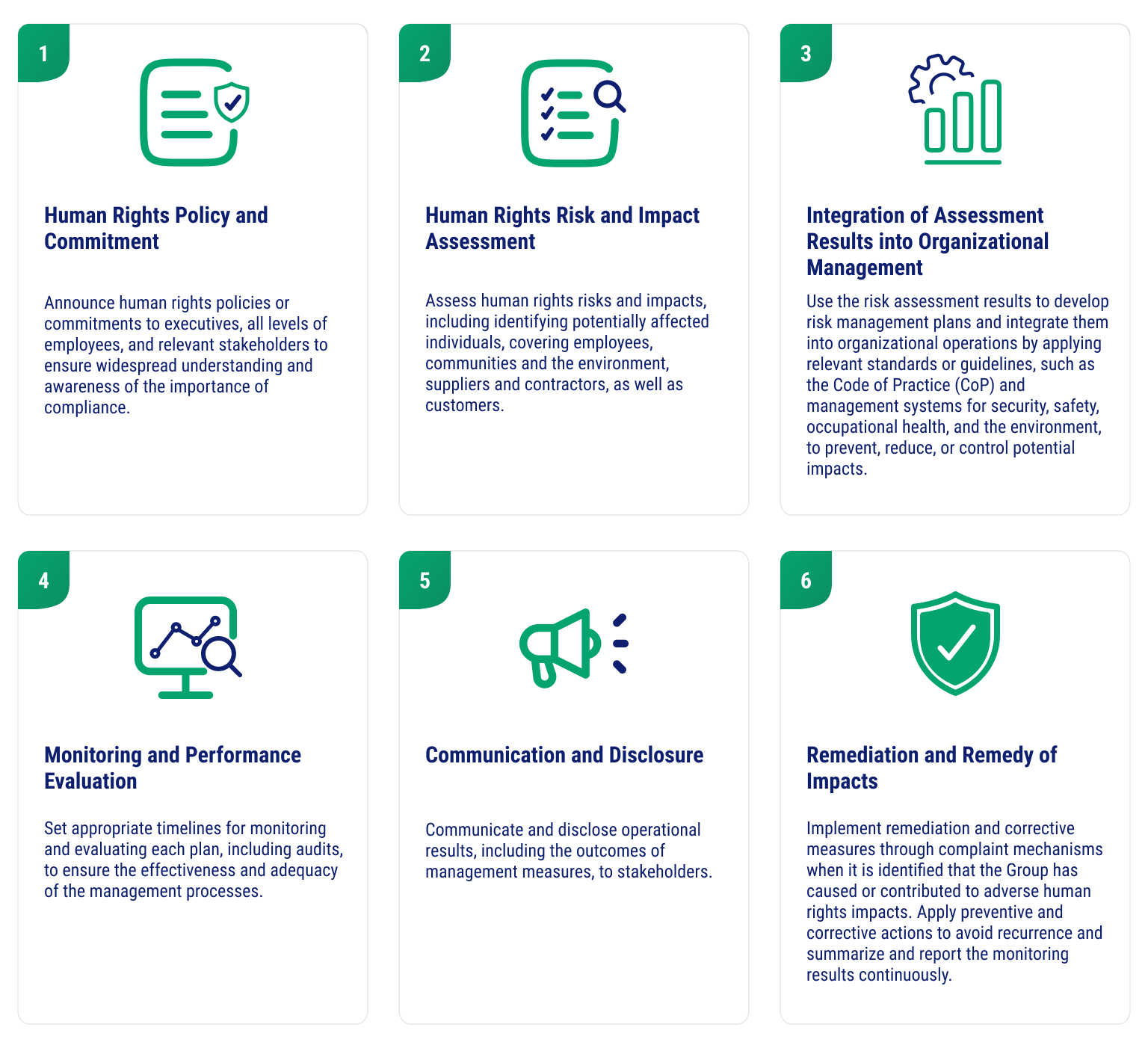
To help ensure that the Group’s activities do not result in or contribute to human rights violations across the value chain, the Group has put in place a structured Human Rights Due Diligence (HRDD) process. This process applies to relevant operations and activities and is used as a systematic approach to identifying, evaluating, preventing, and managing human rights risks and impacts. The HRDD process comprises the following key steps.
Human Rights Monitoring and Due Diligence Process
Human rights risk assessments are conducted on an annual basis and cover all operational areas of the Group. The assessment is carried out collaboratively by the Human Resources Department in coordination with relevant units, including Occupational Health, Safety and Environment, Supply Chain Management, Community Relations, Fuel Procurement, and Engineering, with a commitment to engage with stakeholders as a part of the process to identify potential salient, industry or business-specific human rights issues. The Community Relations function coordinates engagement with communities surrounding the Group’s operations through consultations, meetings, surveys, and questionnaires to gather feedback, concerns, and suggestions related to potential impacts. Moreover, in certain cases the Group also utilizes the Environmental Impact Assessment (EIA) process as a key mechanism for stakeholder consultation, which includes integrating socio-economic and community feedback to identify human rights issues, such as assessing local conditions, capturing stakeholder perspectives, and recording grievances and related actions. Community inputs are gathered and recorded through consultation records and EIA documentation and considered in identifying and assessing relevant human rights issues. For further information, please refer to EIA Monitoring report of Koh Khanun Clean Energy and Khlong Khlung Power Plant
Information obtained from stakeholder engagement is consolidated and analysed by Human Resources in collaboration with relevant functions and used to assess the likelihood and severity of impacts on employees, communities and the environment, suppliers and contractors, and customers. The assessment considers key risk areas such as labour practices, occupational health and safety, children’s rights, community health and safety, land rights, and environmental impacts affecting livelihoods. Assessment results are used to define prevention and mitigation measures, strengthen management controls, and support continuous improvement of human rights management across the value chain, with details of the scope, methodology, and results disclosed in the Human Rights Risk Assessment 2025.
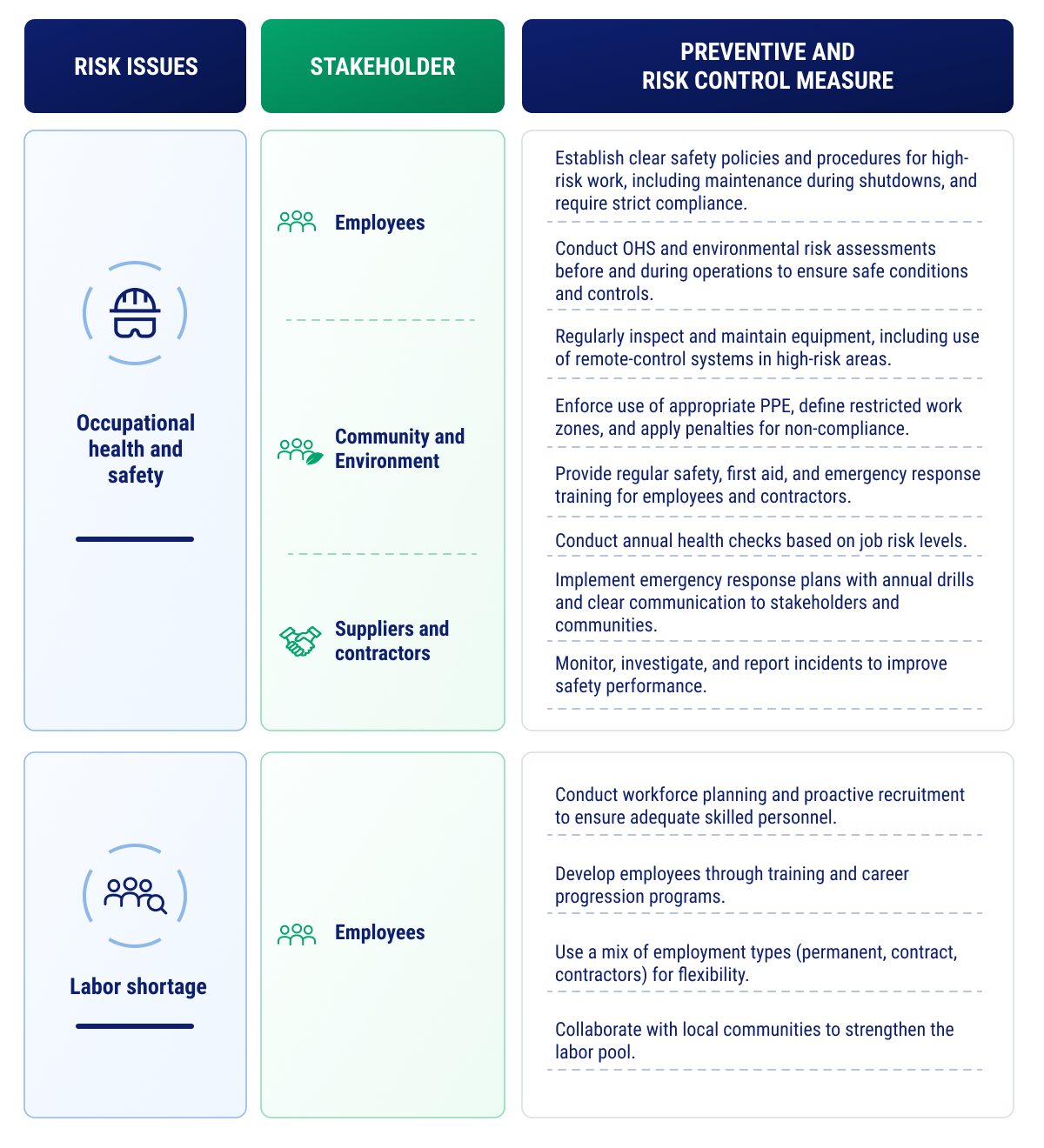
Based on the human rights risk assessment conducted in 2025, no human rights risks or salient issues at a high level or exceeding the Group’s defined risk tolerance were identified across the business. Nevertheless, the Group continues to place emphasis on occupational health and safety and labour availability for new projects as important focus areas. Preventive and control measures have been established and implemented in line with the Group’s human rights management approach to address these areas and to support the ongoing prevention and management of potential human rights impacts.
3.3 Stakeholder Engagement and Community Relations Process
The Group places importance on stakeholder engagement and community relations as part of its approach to managing social and community‑related issues arising from its power plant operations. Engagement with communities surrounding operational sites is conducted through ongoing consultations, regular meetings, and surveys coordinated by the Community Relations function to gather opinions, concerns, and feedback related to project activities and potential impacts. Project representatives attend community meetings to listen to views, clarify issues, and provide information on operations, while coordination with relevant government agencies and local authorities is undertaken where appropriate. Information obtained through these engagement activities is used to support the identification of community concerns, inform community development activities, and guide measures to prevent and mitigate social and environmental impacts. Human rights expectations are communicated to employees and relevant stakeholders through human rights policies, training, and internal communication channels. Business partners and contractors are also informed of the Group’s human rights expectations through contractual requirements and the Supplier Code of Conduct and supplier guidelines.
3.4 Employee Participation and Training
Human rights, community, and employee participation are addressed through the application of Codes of Practice and operational procedures across the Group. Employee participation in volunteer activities is formally recognised as part of employee engagement and development practices, with volunteer participation recorded in the HRIS‑PSS system and used to support performance evaluations and nominations for outstanding employee awards in social engagement. Human rights principles, including non‑discrimination, harassment prevention, labour rights, and children’s rights, are communicated through employee orientation programs, annual refresher training, and E‑Learning platforms, through which all employees are trained on the Human Rights Policy and its application across the organisation. Human rights expectations are also communicated to employees through internal communication channels supporting accountability and responsible practices throughout the Group’s operations and value chain.
3.5 Grievance and Complaint Mechanisms
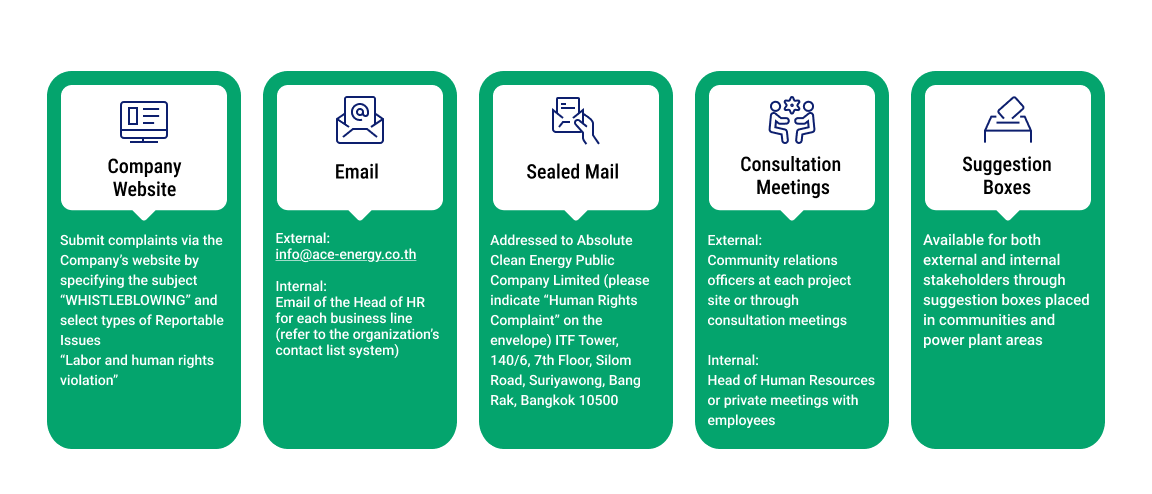
The Group has established formal grievance and complaint mechanisms for both internal and external stakeholders, covering human rights and community-related issues. In the event of a human rights violation, the Group applies a grievance management process. The Human Resources Department is assigned as the primary responsible unit for receiving and handling complaints, and an investigation committee is appointed to examine the facts and determine appropriate corrective actions. Confidentiality and protection for whistleblowers and informants are ensured throughout the complaint handling process, and individuals reporting concerns are protected from retaliation or inappropriate actions.
The Group places importance on remedying the impacts of human rights violations on all stakeholders, including employees, communities, and society. Where it is identified that the Group has caused or contributed to adverse human rights impacts, appropriate remedial actions are considered and implemented. These may include acknowledgment of responsibility and apologies, financial compensation, rehabilitation, and other relevant measures, both monetary and non‑monetary, to mitigate impacts and restore affected parties to an appropriate or improved condition. The available channels are as follows:
4. Projects
The Group implements human rights and community‑related initiatives through projects that are aligned with its clean energy business model and designed to create shared value for employees, communities, and society.
The purpose of CSR activities is to create common value between the Group and the community through community engagement, education and culture, job creation and skills development, development of and access to technology, income‑generating activities, community economy promotion, and health and social investment. These community investment focus areas are implemented in connection with the Group’s business strategy by strengthening relationships with surrounding communities, supporting local livelihoods, and enabling stable and responsible power plant operations. Through this approach, the Group supports its strategy to develop and provide stable and sustainable fuel, create profitability alongside social and environmental responsibility, and achieve stable and sustainable growth. These initiatives deliver both qualitative and quantitative outcomes that support community well‑being, local livelihoods, and responsible power plant operations, as summarized below.
Quantitative Outcomes
| Metric | 2023 | 2024 | 2025 |
|---|---|---|---|
| Scholarships (Baht) | 75,000 | 77,500 | 82,500 |
| Donations (Baht) | 121,500 | 142,143 | 266,646 |
| Households benefiting (Count) | 46,879 | 47,125 | 47,545 |
| Educational opportunities (People) | 150 | 155 | 165 |
| Community forest / seedlings (Rai) | 147 | 219 | 75 |
| Local community employment (People) | N/A | N/A | 646 |
| Expenses incurred from social and environmental development projects (Baht) | 54,922 | 230,637 | 162,154 |
4.1 Community Investment and Development Projects
- “Reduce Burns, Increase Revenue” Project
The Group implements the “Reduce Burns, Increase Revenue” project which supports farmers by purchasing agricultural residues for use as biomass fuel in electricity generation, reducing open burning while creating additional income for local communities. This project links to the Group’s business strategy by supporting the development of stable and sustainable fuel sources, creating profitability alongside social and environmental responsibility, and enabling stable power plant operations through the use of locally sourced renewable fuel. The project contributes to improved quality of life for farmers and rural communities by lowering the incidence of open burning, reducing PM2.5 pollution, mitigating forest fire risks, and supporting national energy security through the use of domestically sourced renewable fuel.
In 2025, the Group procured a total of 2,076,235 tons of agricultural residues, generating income of over THB 1,462,276,995 for farmers across 13 power plant locations.
- “Eucalyptus Wood Promotion” Project
The Group promotes the cultivation of eucalyptus trees in surrounding communities as an alternative energy crop suitable for local soil and climate conditions. The project provides seedlings, technical guidance, and market access, enabling farmers to generate long‑term income while contributing to carbon dioxide absorption and environmental restoration. This initiative supports community income generation, sustainable land use, and climate resilience, while linking directly to the Group’s business strategy by supporting the development of stable and sustainable fuel sources and strengthening long‑term cooperation with communities surrounding its power plant operations.
In 2025, a total of 20,050 saplings were planted, with an economic estimation indicating that they could generate income of up to 1,764,400 THB for farmers in the surrounding communities once the trees reach full maturity in five years. Each tree is expected to yield 80 kilograms of timber, sold at a price of 1,100 THB per ton.
4.2 Employee Engagement and Volunteer Initiatives
- “Home of Happiness” Project
The “Home of Happiness” project is implemented to promote ethics, mental well‑being, and a culture of giving among employees at all levels. The project integrates moral and mindfulness activities with volunteer initiatives that extend benefits to communities surrounding the Group’s operations. Employee participation is encouraged across all levels, from operational staff to directors. This project supports the Group’s business strategy by strengthening employee engagement, promoting social responsibility, and reinforcing positive relationships with communities in areas where the Group operates power plants, thereby contributing to stable and sustainable business operations. In 2025, volunteer activities under the “Home of Happiness” project involved 161 participants, contributing a total of 1,480 volunteer hours to community development, social well‑being, and relationship building with surrounding communities.
Item Goal 2025 results Proportion of Achievement Against Goal Number of Participants 200 161 80.50% Number of Hours 1,600 1,480 92.50% - Employee Volunteer Activities and Community Support
The Group encourages employees to participate in volunteer activities related to community development, environmental conservation, disaster prevention and relief, and social welfare. Employee participation is supported through organizational structures and internal systems, including flexible work arrangements, participation in volunteer activities without being counted as leave, the recording of volunteer activities in the HRIS‑PSS system, and the integration of volunteer work into employee development programs. These mechanisms reinforce employee engagement, foster a volunteer‑driven organizational culture, and enable the Group to deliver tangible benefits to communities surrounding its operations.
4.3 Children’s Rights and Social Support Initiatives
Education and Youth Support ActivitiesIn line with its commitment to children’s rights, the Group supports educational opportunities for children and youth in surrounding communities through scholarships, learning materials, and activities that promote access to education and essential services. These initiatives contribute to the well‑being and long‑term development of children without engaging in child labor or exploitative practices.
To promote children’s and youth rights beyond child labor prevention, the Group implements the following education and youth support initiatives in communities surrounding its operations:
- Improvement and Development of Facilities for Children and Youth
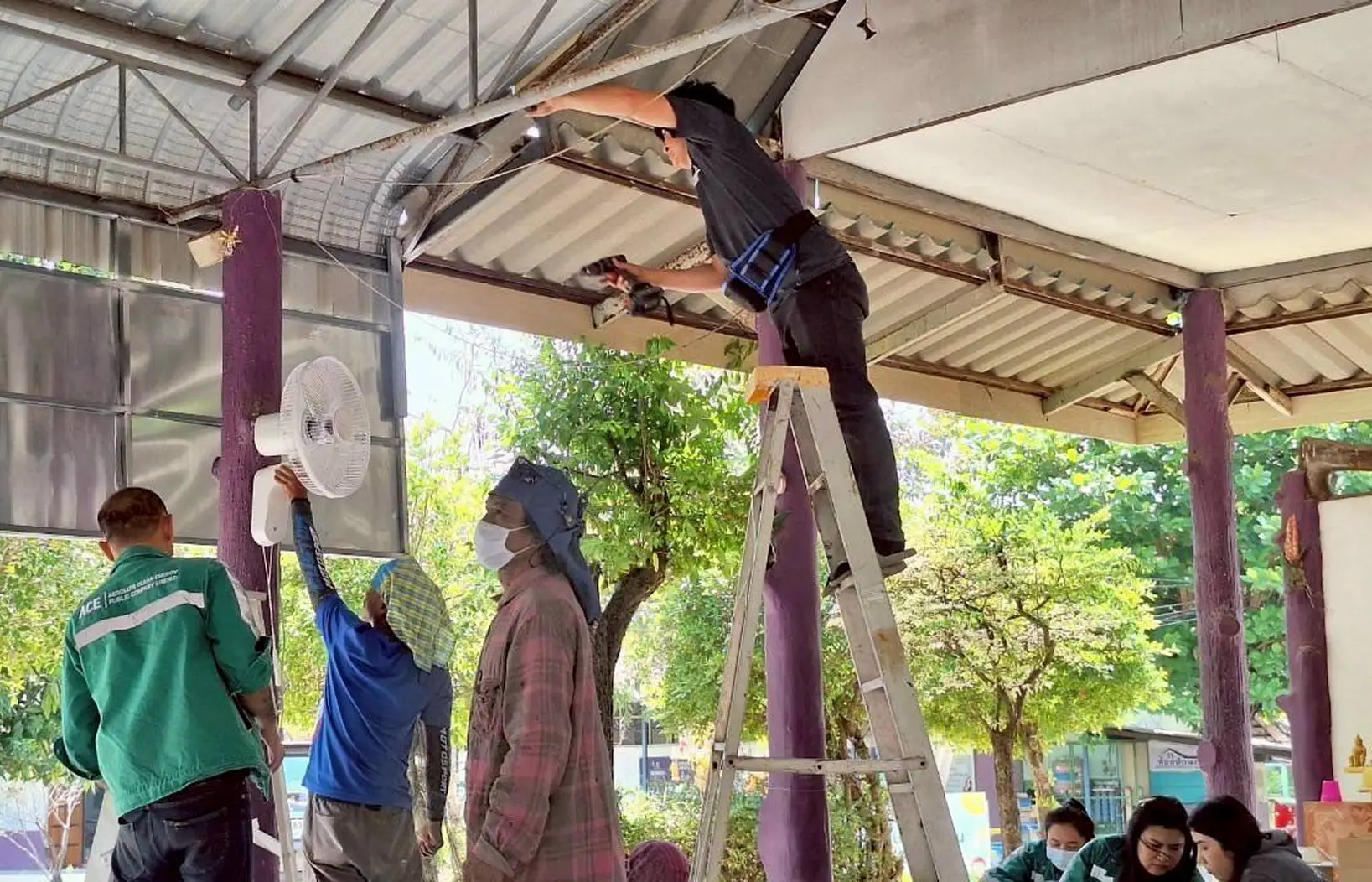
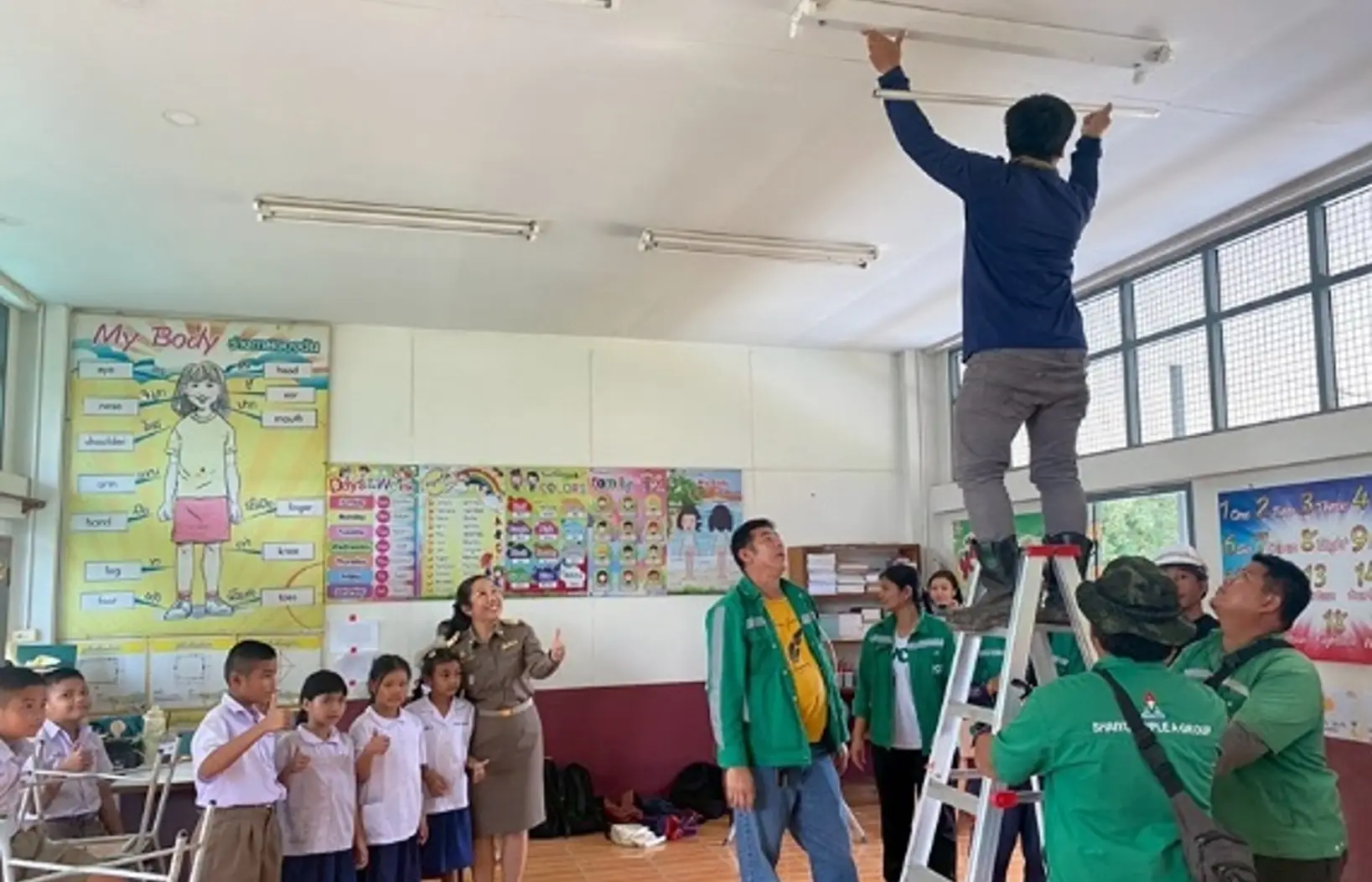
The Group improves and develops facilities to support children’s and youth development in collaboration with employee volunteers, communities, and property owners. Activities include installing wall‑mounted fans in local schools to create safer and more comfortable learning environments that enhance students’ and school personnel’s quality of life.
- Promotion of Knowledge and Education
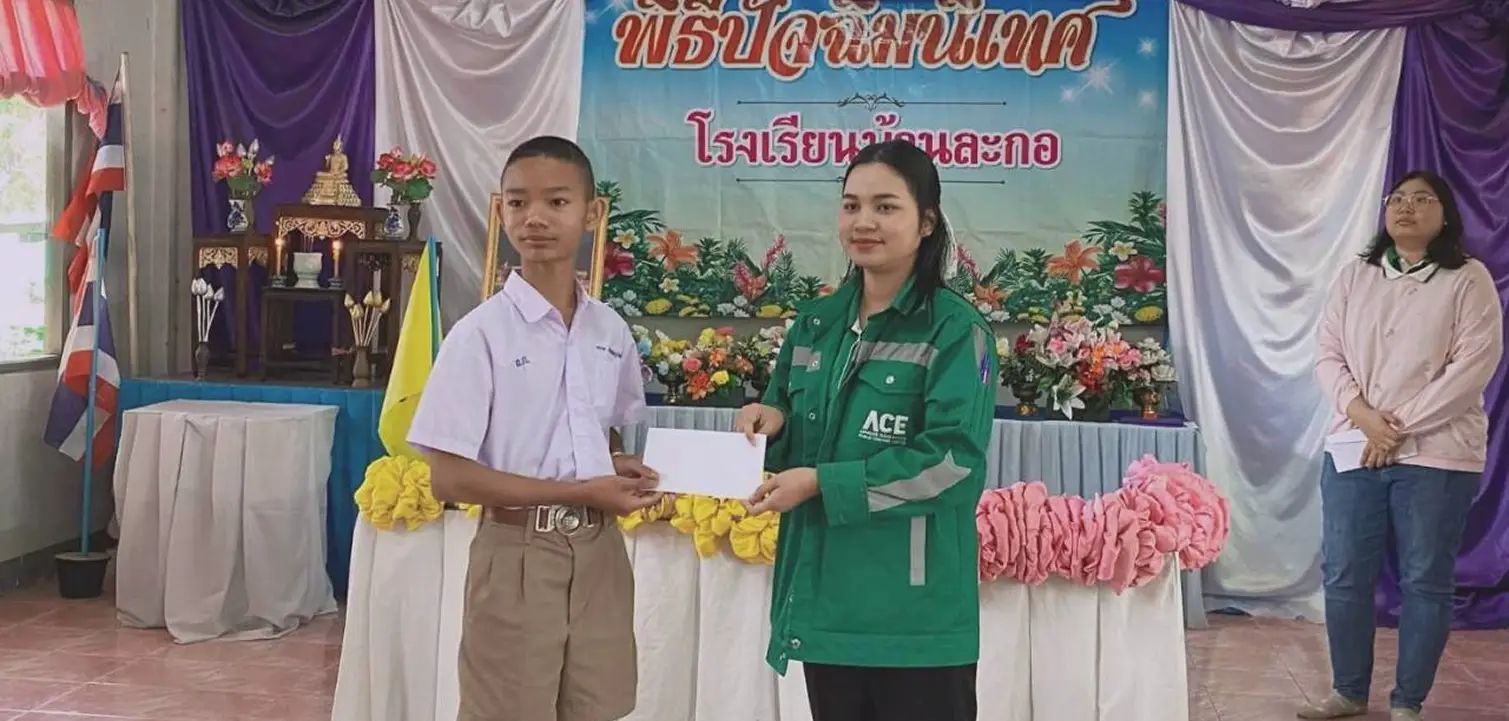
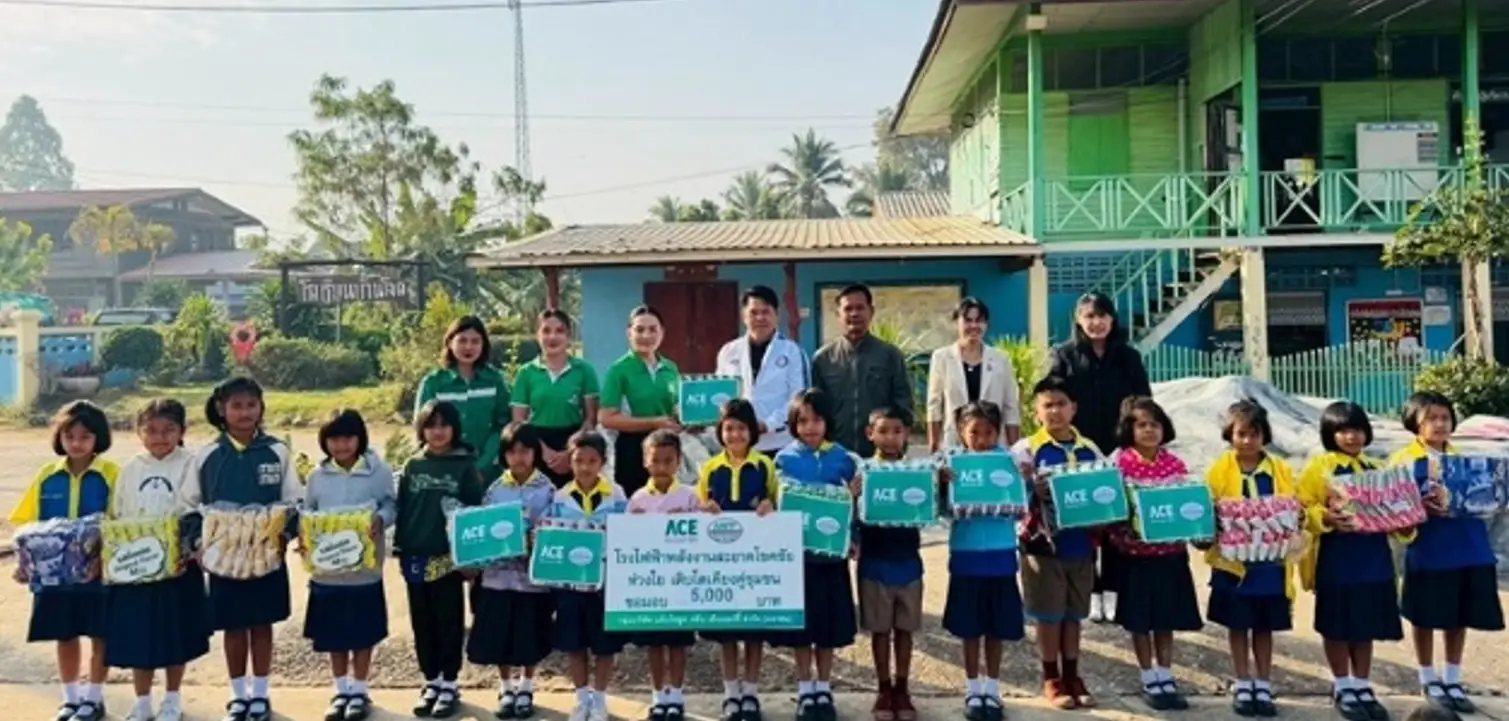
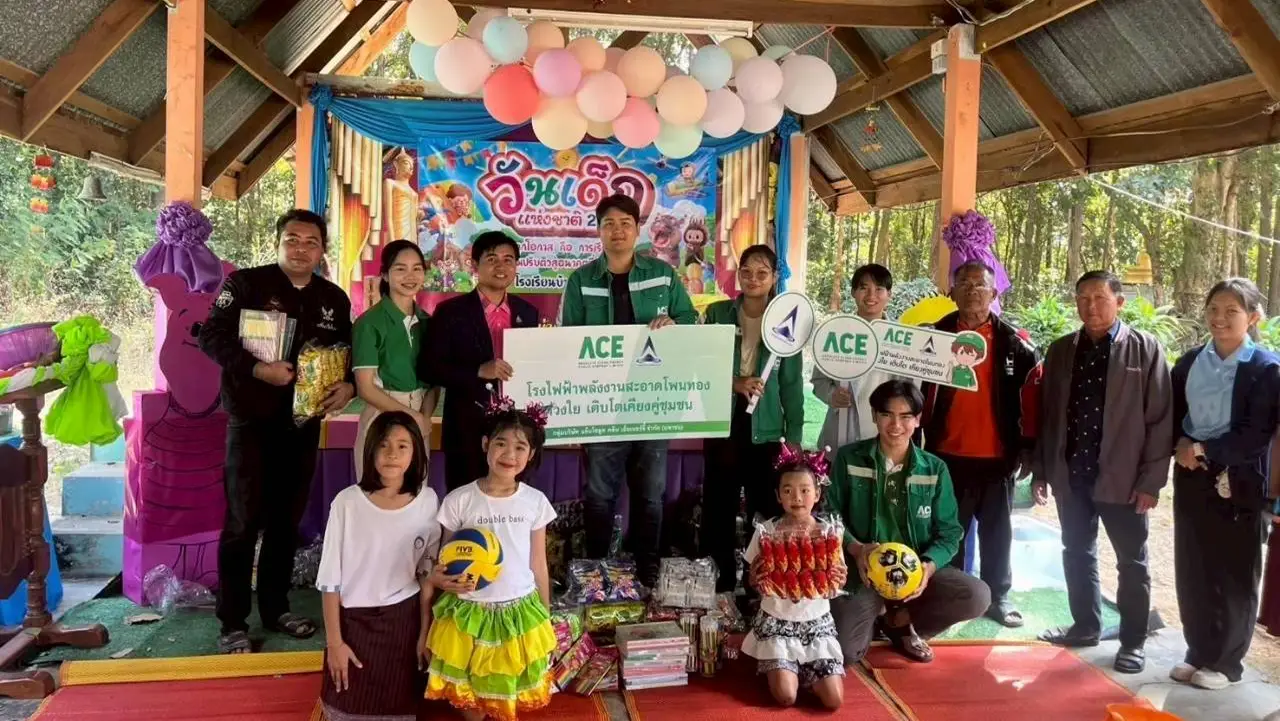
The Group supports continuous scholarship programs and educational assistance for children and youth in local communities through initiatives such as National Children’s Day activities, graduation ceremonies, and other community‑related events, aiming to encourage positive attitudes toward education and lifelong learning.
- Enhancing Knowledge and Awareness among Children
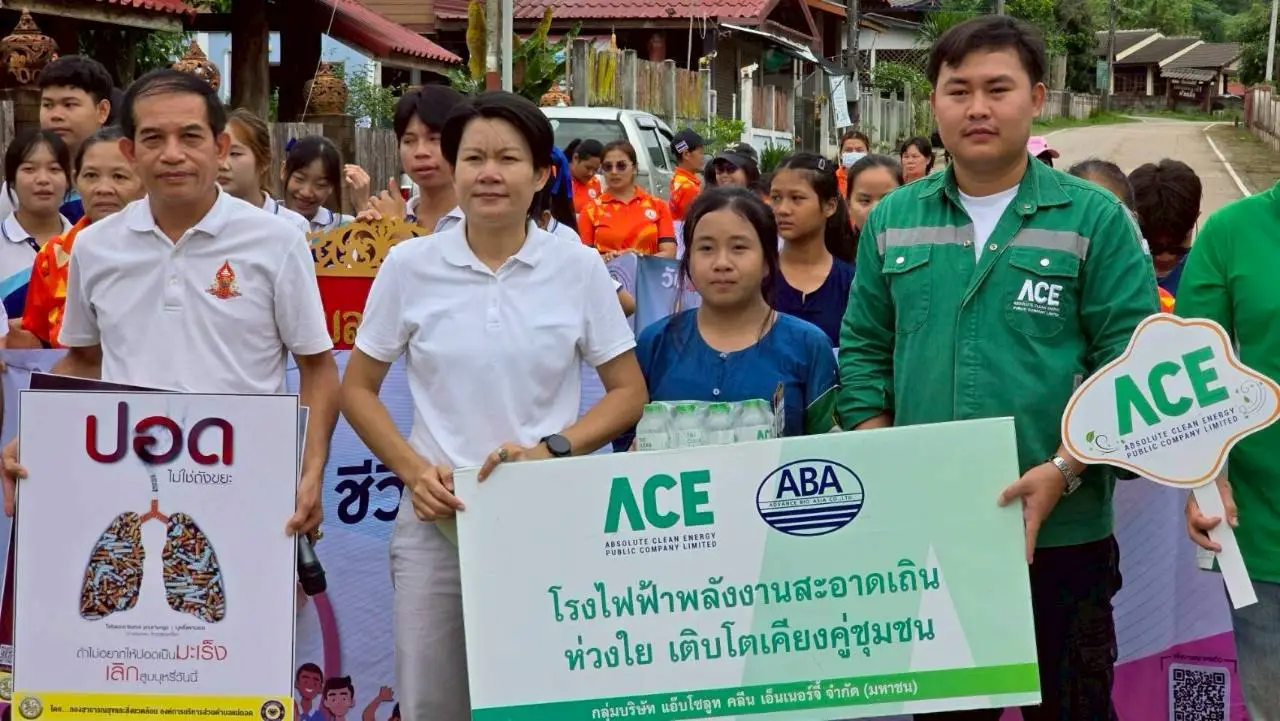
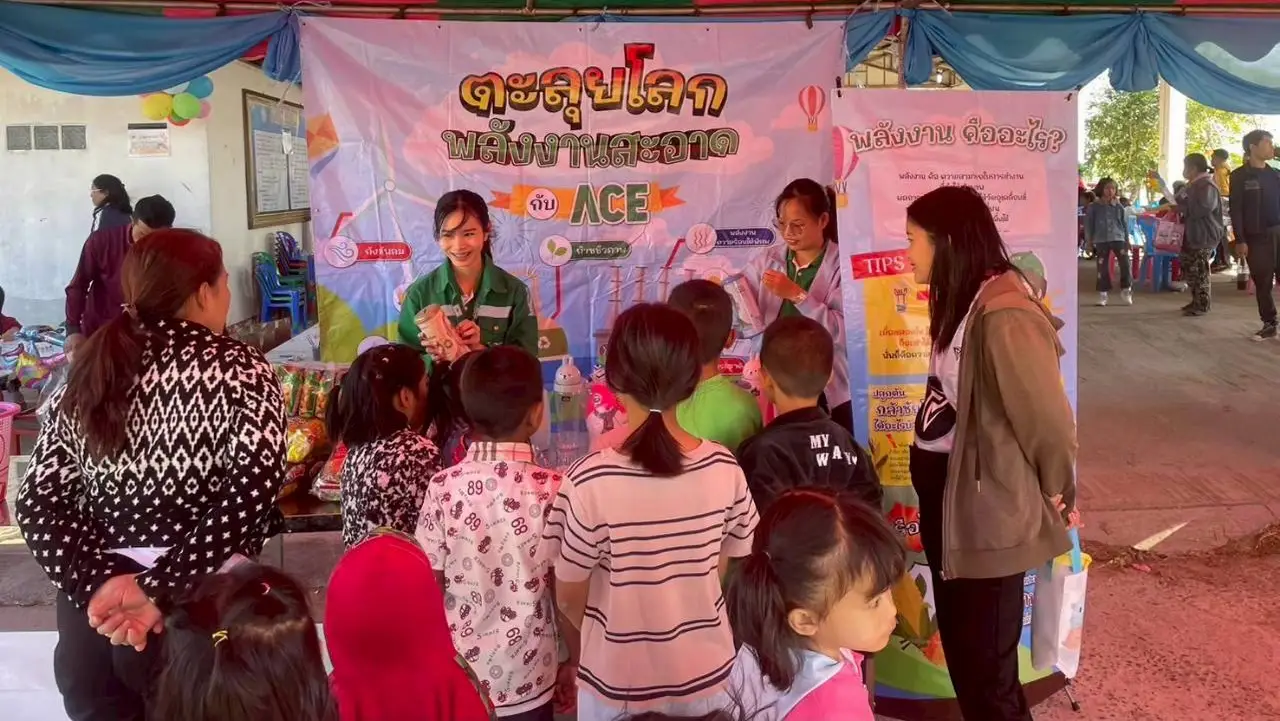
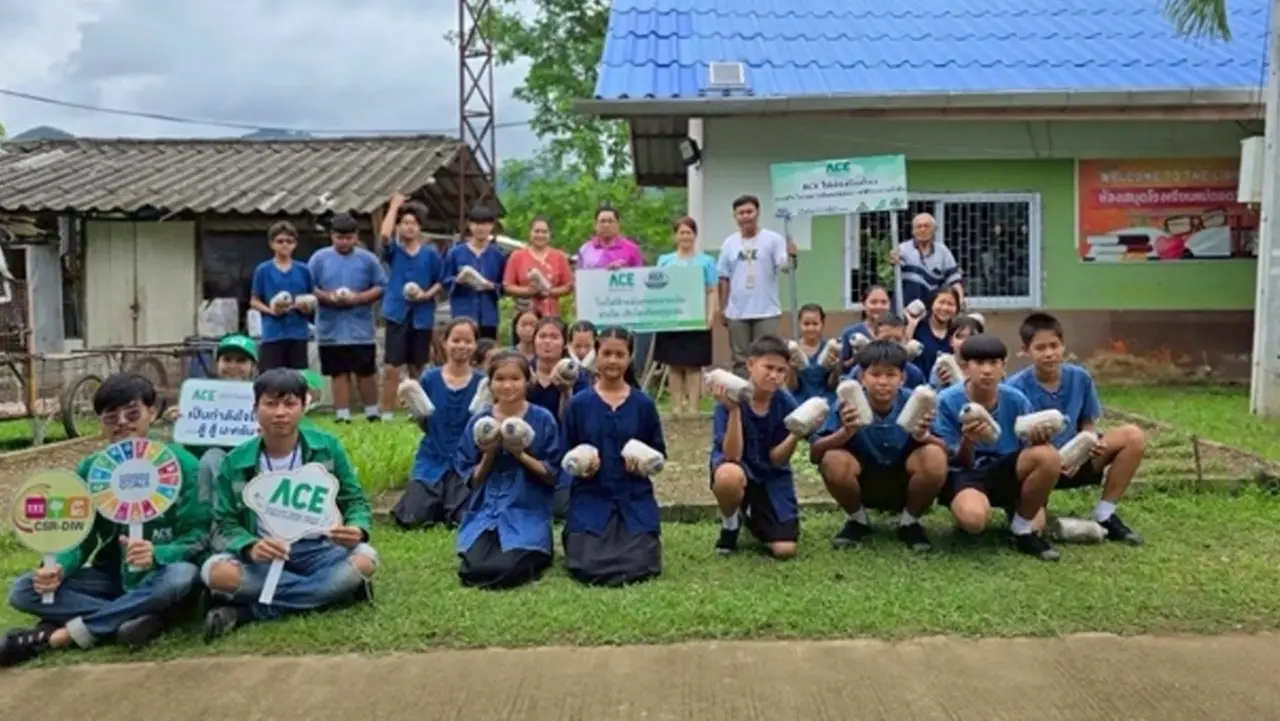
The Group organizes activities that build skills and awareness among children, including creative competitions and awareness‑raising campaigns on social and health issues, as well as learning activities under the concept of “Exploring the World of Energy” to promote understanding of waste management and clean energy through engaging and age‑appropriate activities.
- Promotion of Moral and Ethical Development
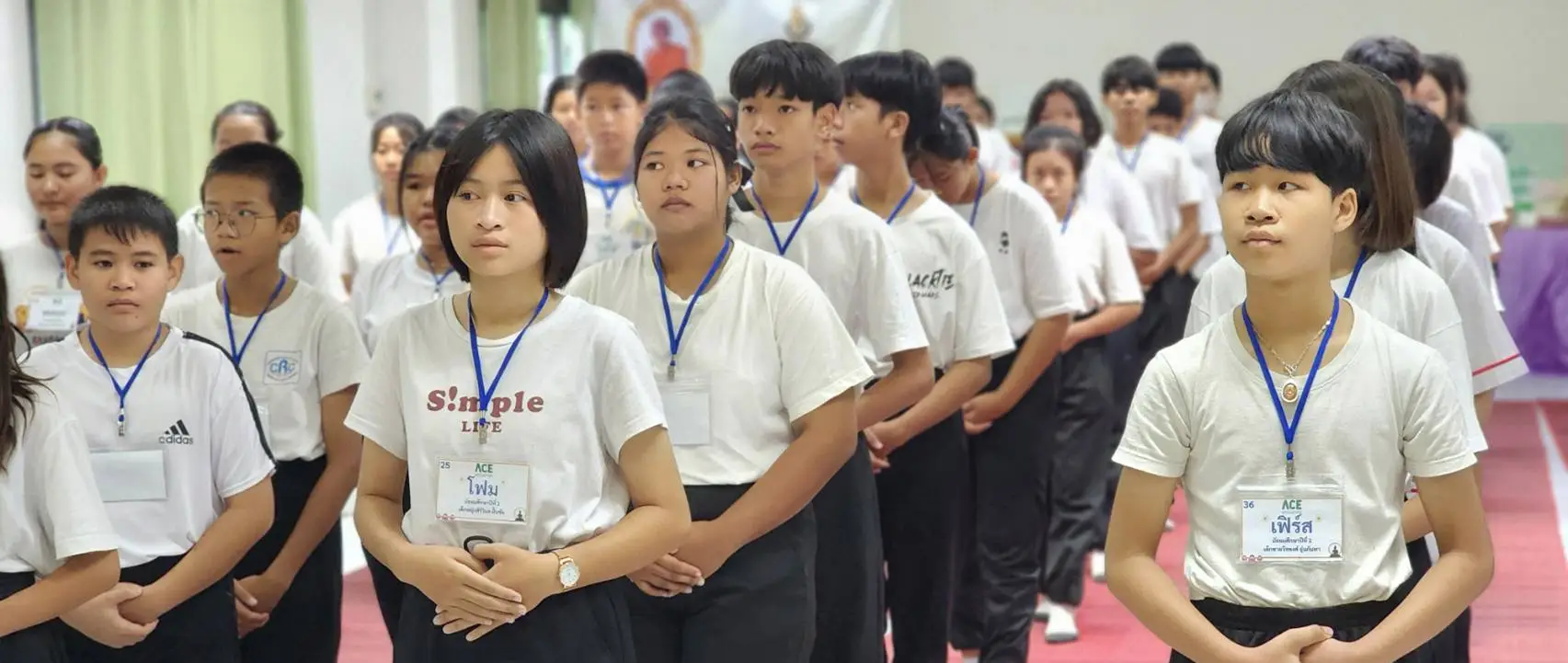
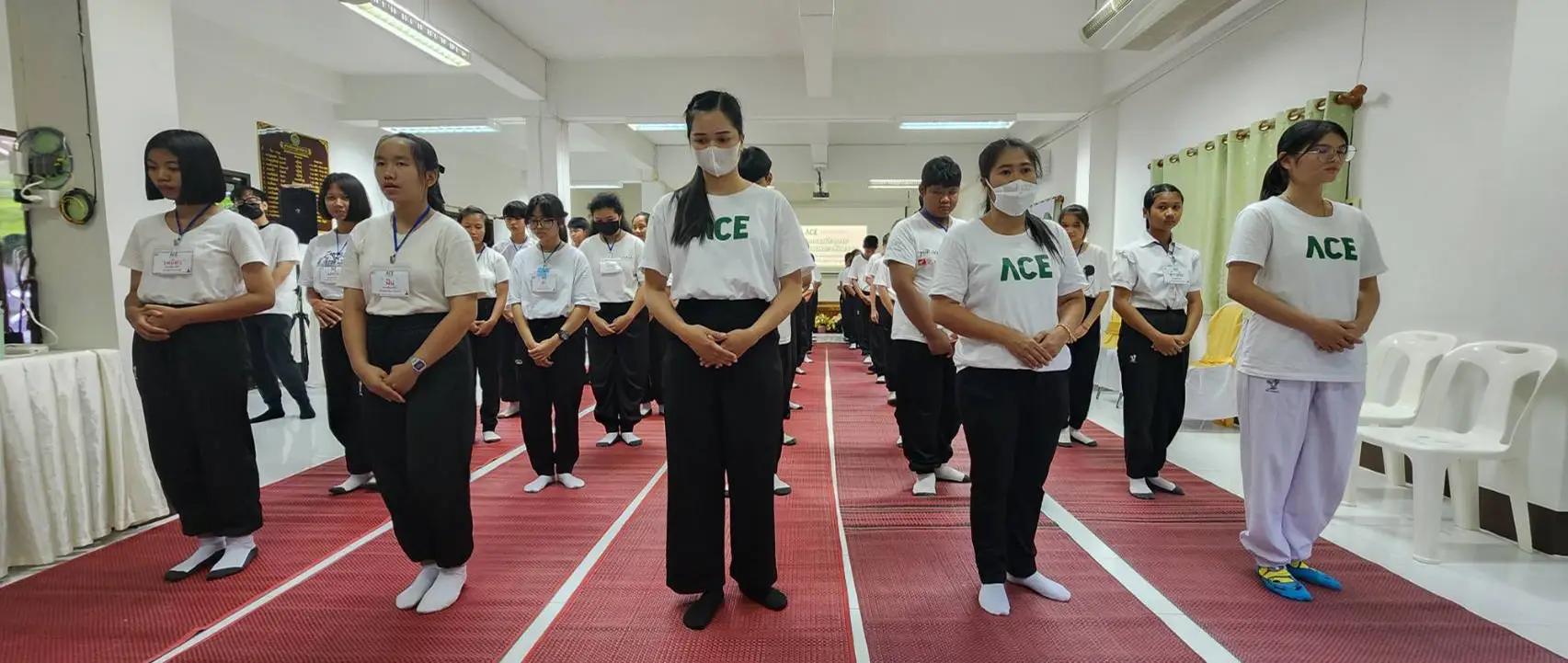
In collaboration with temples and religious organizations, the Group implements the “ACE Knowledge and Moral Cultivation Project,” through which children practice meditation and walking meditation and develop awareness of gratitude, morality, and ethical living.
- Encouraging Development and Self‑Expression
The Group encourages children’s development and self‑expression through activities organized by management and employees in collaboration with Subdistrict Administrative Organizations, including National Children’s Day events featuring creative contests, performance activities, and the provision of learning materials, snacks, and prizes to create positive and supportive learning experiences for participating children.
4.4 Local Employment and Community Participation
- Local Employment Promotion
The Group promotes local employment by prioritizing recruitment from surrounding communities and providing opportunities for local participation in power plant operations and related activities. By actively advertising job vacancies and prioritizing candidates from the surrounding areas of 15 provincial power plants to ensure that local residents have direct access to employment and operational activities. This commitment has resulted in the employment of over 646 local individuals, strengthening our community relationships and ensuring the social sustainability of our operations.
5. Relevent documents